Quick answer
How do you thaw frozen precooked eggs safely?
Thaw them in the cooler at 41°F or below, in their packaging, on a pan on a low shelf, and plan a day ahead for bulk bags. Many IQF patties and omelets can go straight from freezer to oven, so check the package first. Never thaw on the counter, and date mark product once it is thawed.
To thaw frozen precooked eggs well, decide first whether you need to thaw at all. Bulk scrambled eggs usually do; single IQF pieces often do not. This guide covers the methods the FDA Food Code allows, a plan by format, a pull schedule and what happens to the storage clock after thawing. Every handling step from receiving to serving is in our precooked egg handling guide.

When you need to thaw and when you do not
| Format | Thaw first? | Usual method | Why |
|---|---|---|---|
| Bulk scrambled eggs in bags | Usually | Cooler, a day ahead | A frozen block heats unevenly in a pan |
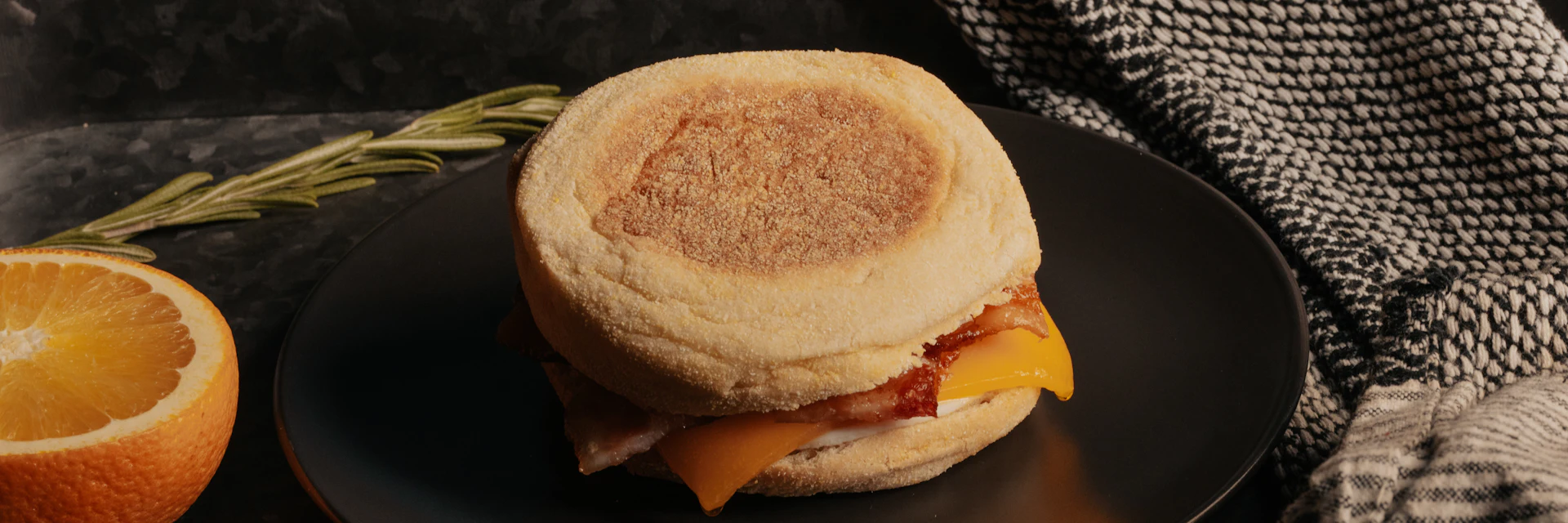
| IQF egg patties and folded eggs | Often not | Heat from frozen | Thin pieces heat through quickly |
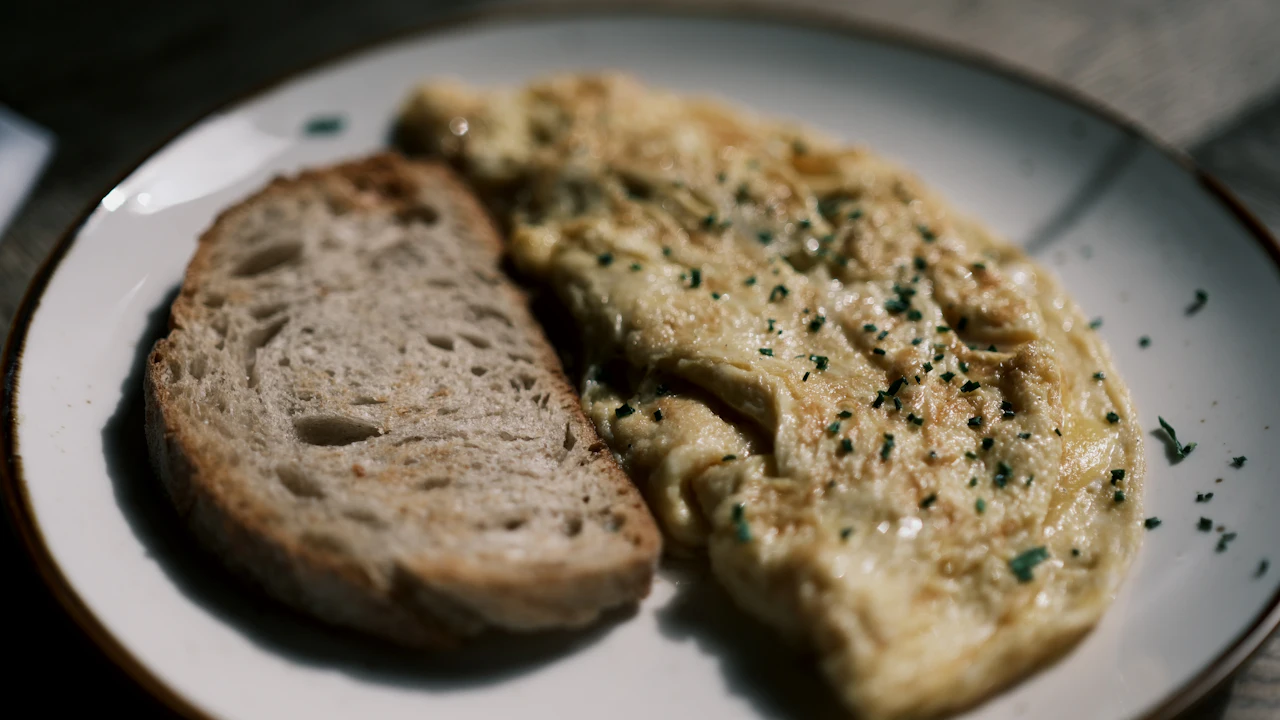
| IQF omelets | Depends on the label | Heat from frozen or cooler thaw | Filled omelets can stay cold in the center |
| Diced eggs for salads | Yes | Cooler only | Served cold, so there is no heating step |
| Single portions to order | No | Any method, served at once | Food Code allows it for one consumer's order |
Always follow the manufacturer's directions for each item code; they reflect the product's size, moisture and packaging.
Thaw frozen precooked eggs: the methods the Food Code allows
Section 3-501.13 of the FDA Food Code lists the safe ways to thaw time/temperature control for safety food:
- Under refrigeration that keeps the food at 41°F or below. This is the default for precooked eggs.
- Under cold running water, completely submerged, at 70°F or below, with enough flow to carry off loose particles, and only for as long as thawed portions of ready-to-eat food stay at 41°F or below.
- As part of cooking or heating, such as moving frozen product straight into the oven, or thawing in a microwave and transferring it at once to conventional equipment.
- Any method for a single portion thawed and prepared for immediate service to one customer's order.
Counter thawing is not on the list. University of Illinois Extension puts it simply: do not thaw at room temperature or on a counter, because food enters the zone where bacteria multiply rapidly.

How to thaw bulk scrambled eggs in the cooler
- Pull to forecast. Take only what tomorrow's service needs out of the freezer.
- Keep the bag sealed. Leave product in its original packaging.
- Use a pan. Lay bags flat in a hotel pan or on a sheet pan to catch any condensation.
- Store low and apart. Put the pan on a lower shelf, below nothing raw, with space for air to move around it.
- Label it. Write the item, the date it came out of the freezer and the discard date.
- Check before heating. Press the bag: there should be no frozen core. If there is, give it more cooler time or follow the package directions for heating from partly frozen.
Flat bags thaw faster and more evenly than bags stacked in a box. A full case packed tight in a walk-in will take much longer than the same weight spread across pans.
A thaw schedule for a breakfast week
This is an illustrative plan for a hotel serving 120 guests a day, assuming a 3 oz portion of scrambled eggs per guest and 4.5 lb bags.
| Step | Illustrative figure | Arithmetic |
|---|---|---|
| Portions per day | 120 | one per guest |
| Weight per day | 22.5 lb | 120 x 3 oz = 360 oz; 360 / 16 |
| Bags per day | 5 | 22.5 lb / 4.5 lb |
| Pull time | Morning, the day before | one day of cooler thaw |
| Weekend pull | Friday for Saturday, Saturday for Sunday | no Monday surprises |
Weigh your own bags and portions before you use these figures; packs vary by item. Our frozen vs refrigerated precooked eggs comparison shows why a pull-to-forecast routine keeps frozen waste low.
Heating straight from frozen
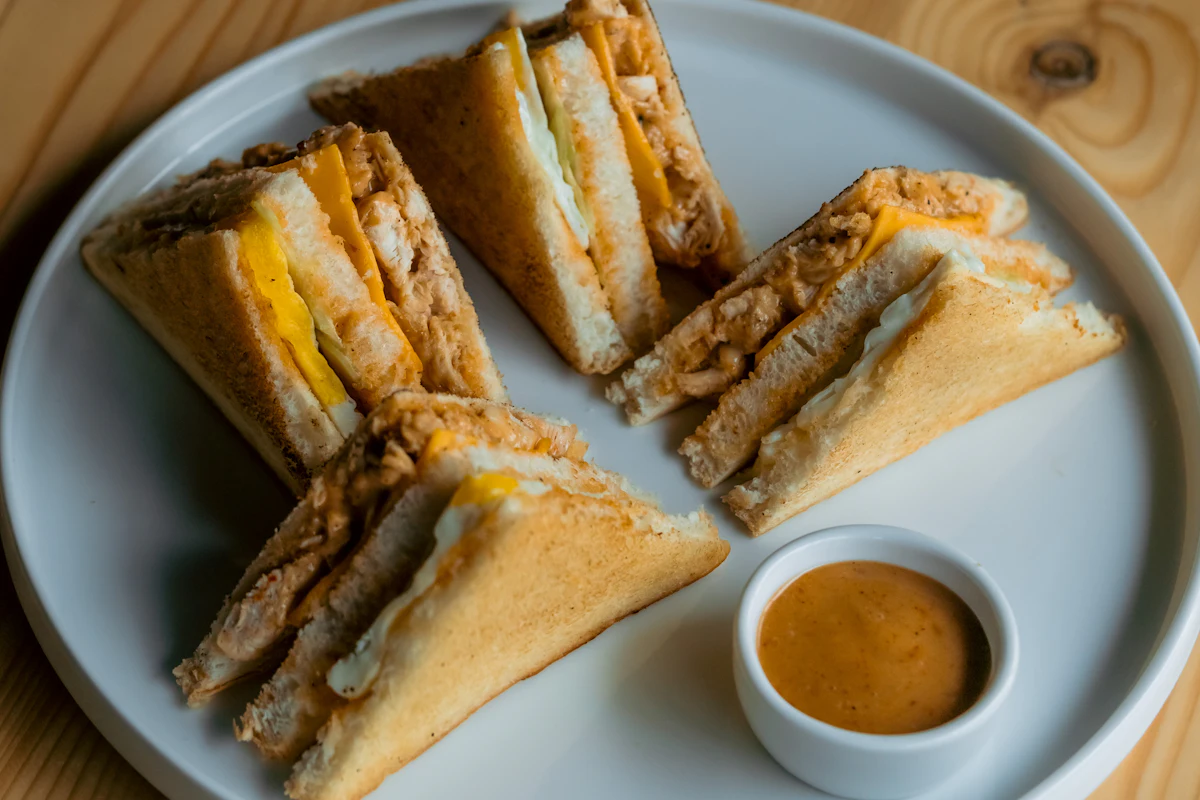
Many IQF items are made to skip the thaw. Patties, folded eggs and many omelets heat from frozen on sheet pans in a convection or combi oven, which saves cooler space and a day of planning. See how to reheat frozen egg patties for oven, griddle and microwave methods, and how to reheat frozen omelets for filled items.
Whichever route you take, commercially processed precooked eggs reheated for hot holding must reach at least 135°F, and reheating should take no more than two hours. Then hold at the hot holding temperature for eggs, 135°F or above.
The clock after thawing
Thawed precooked eggs are refrigerated, ready-to-eat food, so date marking applies if you hold them more than 24 hours. The limit is seven days at 41°F or below, and a shorter manufacturer use-by date based on food safety always wins.
Time spent frozen does not count toward that limit; time thawed does. Mark the day product leaves the freezer, use the oldest pans first and discard on the date. How long product keeps while still frozen is covered in our guide to frozen precooked eggs shelf life.
Can you refreeze thawed precooked eggs?
Avoid it. Refreezing does not reset the refrigerated clock, and each freeze and thaw draws moisture out of the eggs, so they turn watery, spongy or rubbery when heated. Product thawed any way other than in the cooler should never go back in the freezer.
The fix is ordering discipline, not refreezing. Pull smaller amounts more often, and keep a running count of what is thawing.
Common thawing mistakes
- Counter or sink thawing without running water. It is not an allowed method.
- Thawing in the steam table. Holding equipment is not made to heat cold product quickly.
- Stacked boxes in the walk-in. The center stays frozen for days.
- No date on the pan. Under the Food Code, unmarked ready-to-eat food must be discarded.
- Thawing diced eggs at room temperature because they will be served cold anyway.

FAQ
Do you have to thaw precooked eggs before heating?
Not always. Many IQF patties, folded eggs and omelets are made to heat straight from frozen in a convection or combi oven. Bulk scrambled eggs in bags usually heat more evenly if thawed in the cooler first. Follow the package directions for each item code, and check the center temperature.
How long does it take to thaw frozen precooked eggs in the refrigerator?
It depends on the pack. Single IQF pieces thaw within hours, while bulk bags usually need a full day or longer in the cooler, and tightly stacked cases take longer still. Lay bags flat on pans, check for a frozen core before heating, and plan pulls a day ahead.
Can you thaw frozen egg patties in the microwave?
Yes, if they go straight into cooking or heating with no pause, or if a single portion is thawed for a customer's order and served at once. For volume, heating patties from frozen in a convection or combi oven is simpler and more even than microwave thawing.
How long are precooked eggs good after thawing?
Under the FDA Food Code, thawed ready-to-eat eggs held over 24 hours can be kept up to seven days at 41°F or below, with a date mark. A shorter use-by date from the manufacturer always applies. Quality is usually best in the first few days, so pull small amounts.
Can you thaw frozen omelets in water?
Only under the Food Code's running water method: fully submerged in sealed packaging, water at 70°F or below, with enough flow, and only while thawed portions stay at 41°F or below. For most kitchens the cooler, or heating from frozen per the label, is simpler.
Next step
Echo Lake's precooked scrambled eggs come in 20 lb bulk packs or 20 lb cases of 4 to 5 lb bags, and its omelets and scrambled egg patties are made for heat and serve. For thawing and heating directions on a specific item code, ask Echo Lake Foods for the spec sheet.