

Quick answer
What do USDA egg grades mean?
USDA egg grades AA, A and B describe the quality of a shell egg's shell, air cell, white and yolk when it is graded, judged mostly by candling. Grading is a voluntary USDA service paid for by the packer. A grade is not a food safety mark, and it says nothing about size, nutrition or how the hens were housed.
USDA egg grades show up on every shell egg spec, yet many buyers never see the standard behind them. This guide walks through what AA, A and B require, how a graded lot is allowed to vary, how size classes work, and when a carton carries the USDA shield instead of a state grade. It is for buyers who write or approve egg specs.

USDA egg grades: what AA, A and B require
The standards are maintained by the USDA Agricultural Marketing Service (AMS) as AMS 56, the United States Standards, Grades, and Weight Classes for Shell Eggs (USDA AMS shell egg grades and standards). Graders judge interior quality by twirling the egg before a candling light, and now and then break out an egg to measure the white.
| Quality factor | AA quality | A quality | B quality |
|---|---|---|---|
| Shell | Clean, unbroken, practically normal | Clean, unbroken, practically normal | Unbroken; may be abnormal or slightly stained |
| Air cell depth | 1/8 inch or less | 3/16 inch or less | May exceed 3/16 inch |
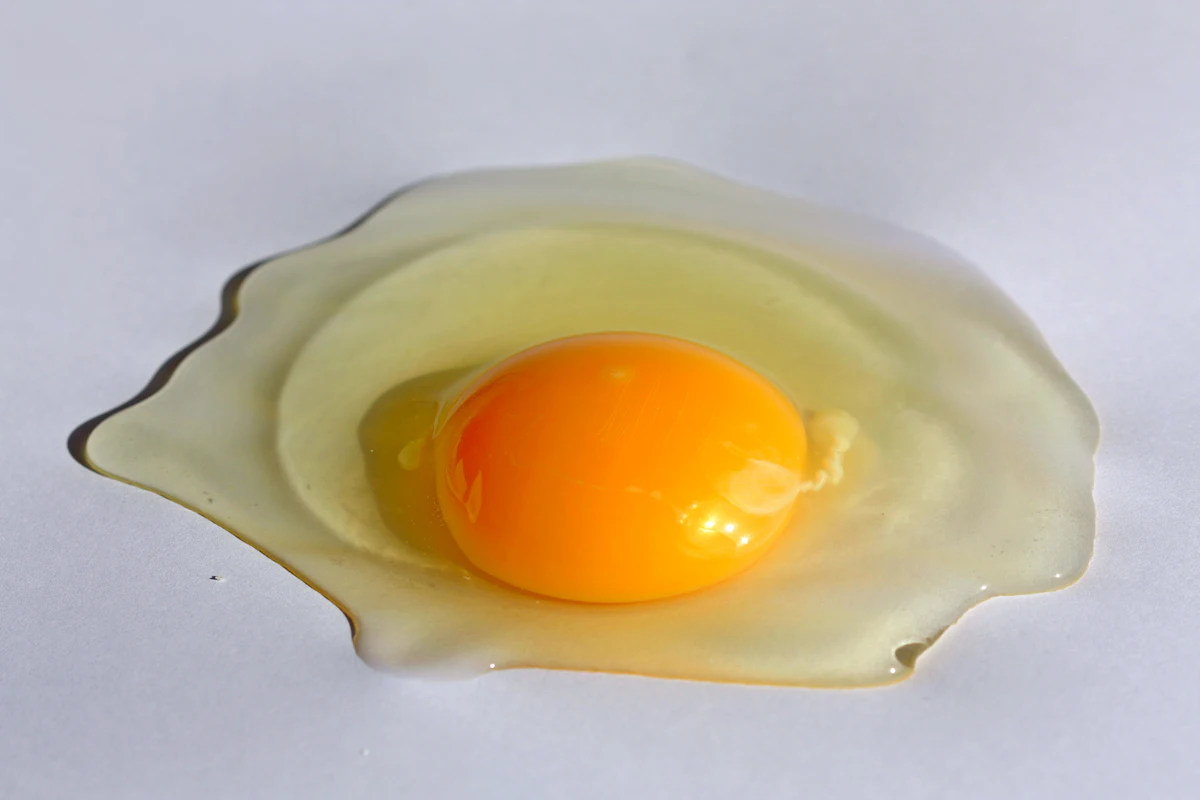
| White | Clear and firm | Clear, at least reasonably firm | May be weak and watery |
| White, broken out | Haugh unit 72 or higher | Haugh unit 60 to under 72 | Haugh unit under 60 |
| Yolk outline | Slightly defined | Fairly well defined | Plainly visible |
| Yolk defects | Practically free | Practically free | May be enlarged, flattened or show serious defects |
B quality may also include small blood or meat spots, aggregating no more than 1/8 inch. A larger spot makes the egg Loss, which is not food. A higher Haugh unit means a firmer, thicker white.
How a graded lot is allowed to vary
Grades apply to lots, not to single eggs. A carton of Grade A eggs is a lot that meets a minimum share of A quality, with a tolerance for lower quality and for cracked shells, called checks. The standard also sets two points of measurement: at origin, where the eggs are packed, and at destination, after time in distribution.
| U.S. Consumer Grade | Minimum quality at origin | Minimum quality at destination | Checks allowed (origin / destination) |
|---|---|---|---|
| Grade AA | 87% AA | 72% AA | 5% / 7% |
| Grade A | 87% A or better | 82% A or better | 5% / 7% |
| Grade B | 90% B or better | 90% B or better | 10% / 10% |
The lower destination figures reflect that eggs lose quality as they age, even when kept cold. This matters at receiving: a case of Grade AA eggs can contain more A quality eggs at your dock than it did at the packer and still meet the grade.
Size classes: weight per dozen, not grade
Size is a separate scale from quality. AMS sets weight classes by minimum net weight per dozen, and they apply to every consumer grade.
| Size class | Minimum per dozen | Minimum per 30 dozen case |
|---|---|---|
| Jumbo | 30 oz | 56 lb |
| Extra Large | 27 oz | 50 1/2 lb |
| Large | 24 oz | 45 lb |
| Medium | 21 oz | 39 1/2 lb |
| Small | 18 oz | 34 lb |
| Peewee | 15 oz | 28 lb |
A lot may include up to 3.3 percent of eggs from the next lower weight class, as long as no single case exceeds 5 percent. Single eggs vary, so for recipes that count eggs, a scale beats a count.
The USDA grade shield vs state grading
USDA grading of shell eggs is voluntary, and the packer pays for it. The rules for the service are in 7 CFR Part 56. The shield on a carton is allowed only when the eggs are graded under the supervision of a USDA grader or quality assurance inspector, usually a grader stationed in the plant on a scheduled tour. Eggs graded on a one-time visit for a particular lot cannot carry the consumer grademark.
A USDA graded carton must show:
- The shield with "USDA" and the grade, such as "A Grade".
- The size class, inside the shield or prominently on the main panel.
- The plant number, preceded by the letter "P".
- A lot number, normally the consecutive day of the year the eggs were packed, such as 132.
Eggs packed without USDA grading can still be labeled with a grade under state programs, but without the USDA shield. Federal egg inspection rules bar states from requiring standards, grades or weight classes different from the official ones for eggs moving in interstate commerce, so a state "Grade A" is measured against the same AA, A and B definitions. Ask which program graded your eggs.
What USDA egg grades do not tell you
Grades are a quality and marketing tool. They leave out several things a buyer still needs:
- Food safety. Shell egg safety rests on FDA's Salmonella prevention and refrigeration rules, explained in our post on the FDA egg safety rule. Egg products carry a separate inspection mark; see USDA inspected egg products.
- Size. Grade AA Medium and Grade B Jumbo are both valid combinations.
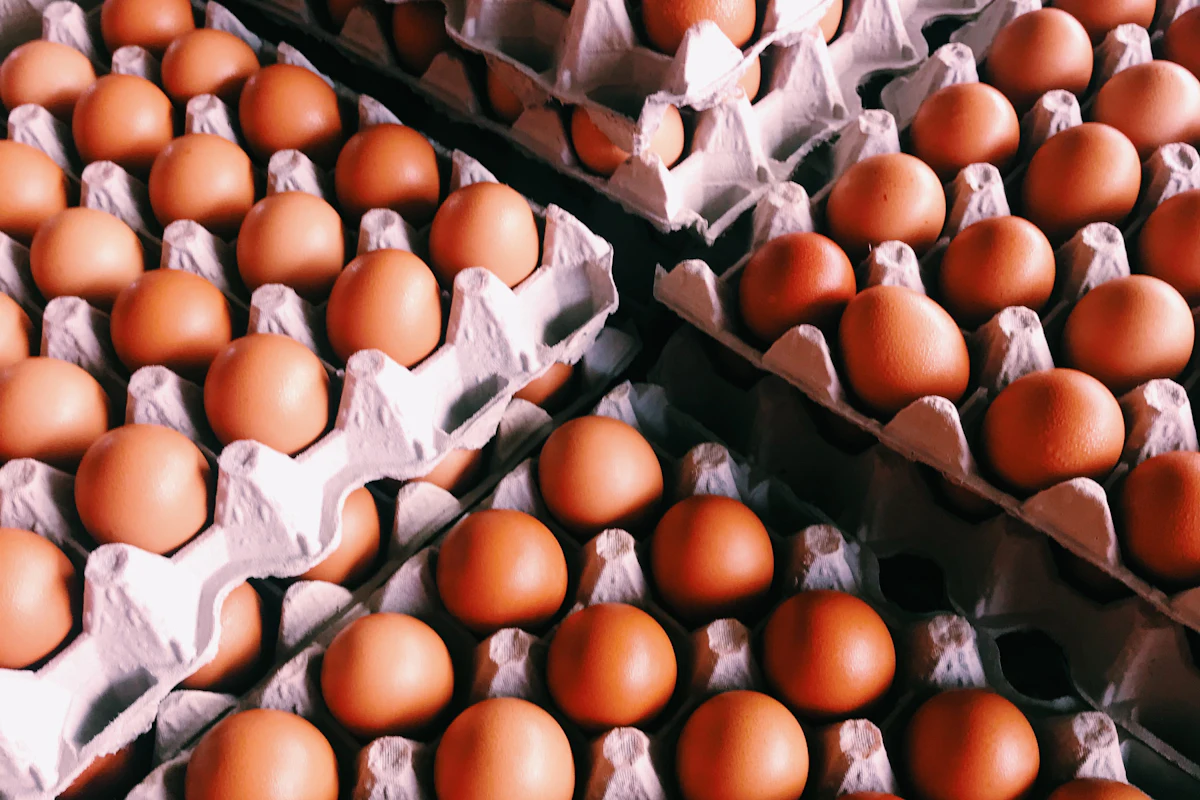
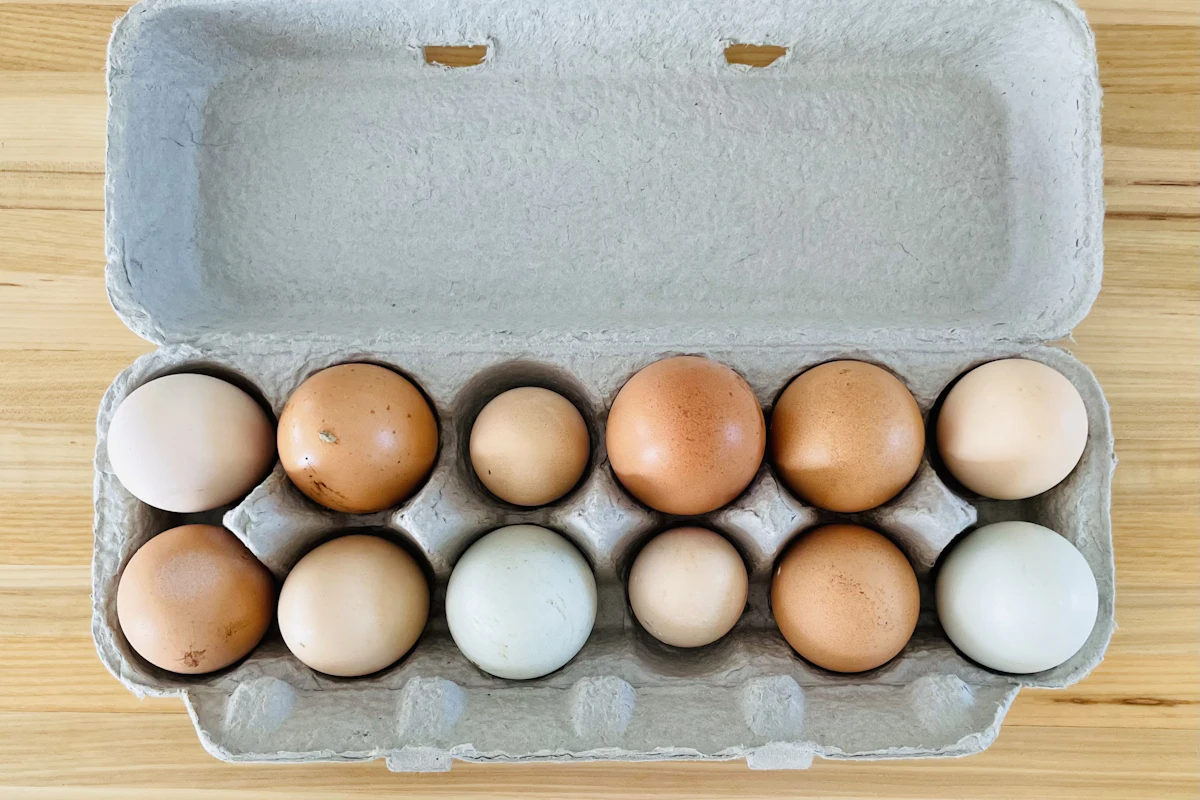
- Shell color and nutrition. Neither is a grading factor.
- Housing and feed. Cage-free, free range and organic are separate claims with their own verification. Our guide to egg label claims explains each one.
One more detail: eggs from a layer house that tested positive for Salmonella Enteritidis cannot carry the USDA consumer grademark unless the eggs were sampled and tested negative.
Writing grades into an egg spec
Match the grade to the dish rather than buying the top grade everywhere:
- Plate presentation items (fried, poached, sunny side up) show the white and yolk, so they reward AA or A quality and fresh stock.
- Mixed and cooked items (scrambles, batters, baking) hide white firmness, so A or B quality, or liquid and precooked egg, can do the job.
- State the size class and the grading program (USDA shield or state grade).
- Set a maximum age using the pack date lot number, and check it at receiving.
- Ask for the destination tolerance to be the acceptance standard at your dock.
Where Echo Lake Foods fits
Echo Lake Foods works with eggs out of the shell: its precooked patties, omelets and scrambled and diced eggs are made from a blend of quality USDA inspected, pasteurized eggs. Shell egg grade does not appear on those products. For specifications on any item code, ask for the spec sheet through our contact page.

FAQ
What is the difference between Grade AA and Grade A eggs?
Both have clean, unbroken shells. AA eggs have a shallower air cell (1/8 inch or less versus 3/16 inch) and a firmer white, so the yolk sits higher and the egg spreads less in the pan. The difference shows most in fried and poached eggs and least in scrambles or baking.
Is USDA egg grading required?
No. USDA grading is a voluntary service under 7 CFR Part 56, paid for by the packer. Eggs that are not USDA graded may be graded under state programs, which use the same official standards for eggs in interstate commerce. Only USDA graded eggs carry the USDA shield.
Are Grade B eggs safe to eat?
Yes. Grade B describes appearance and interior quality, such as a weaker white or a stained shell, not safety. Safety comes from the FDA shell egg rules, refrigeration and cooking. In a kitchen, B quality shows most where the white is on the plate, as in fried or poached eggs.
Does the size of an egg depend on its grade?
No. Size classes are set by minimum weight per dozen, from Peewee at 15 ounces to Jumbo at 30 ounces, and apply to every grade. A carton label gives both, for example USDA Grade A Large, and a spec should state both too.
Next step
Check the safety side of shell eggs in the FDA egg safety rule, compare the inspection mark in USDA inspected egg products, or contact Echo Lake Foods for spec sheets on precooked eggs.