

Quick answer
How do you set up a fast breakfast sandwich line?
A fast breakfast sandwich assembly line runs in one direction: frozen storage, heat, hold, toast, build, wrap and hand off. Put every component within one step of the builder, heat eggs and meats in batches sized to demand, and post a build card for each sandwich. Precooked eggs remove the slowest station from the line.
This guide shows how to lay out a breakfast sandwich assembly line, which equipment fits your volume, and how to keep quality steady from open to close.
The one-direction rule
The fastest lines move product in a single direction with no backtracking. Each station hands off to the next, and nobody crosses the line to fetch an ingredient.
A typical flow looks like this:
- Freezer and cooler next to the heating equipment.
- Heat eggs and meats in an oven, combi oven, microwave or griddle.
- Hold cooked components in a heated cabinet or covered steam table pans.
- Toast muffins, biscuits or bagels.
- Build on a cold-well or prep table with cheese and sauces in reach.
- Wrap and label the finished sandwich.
- Hand off to the counter, drive-thru window or a heated merchandiser.
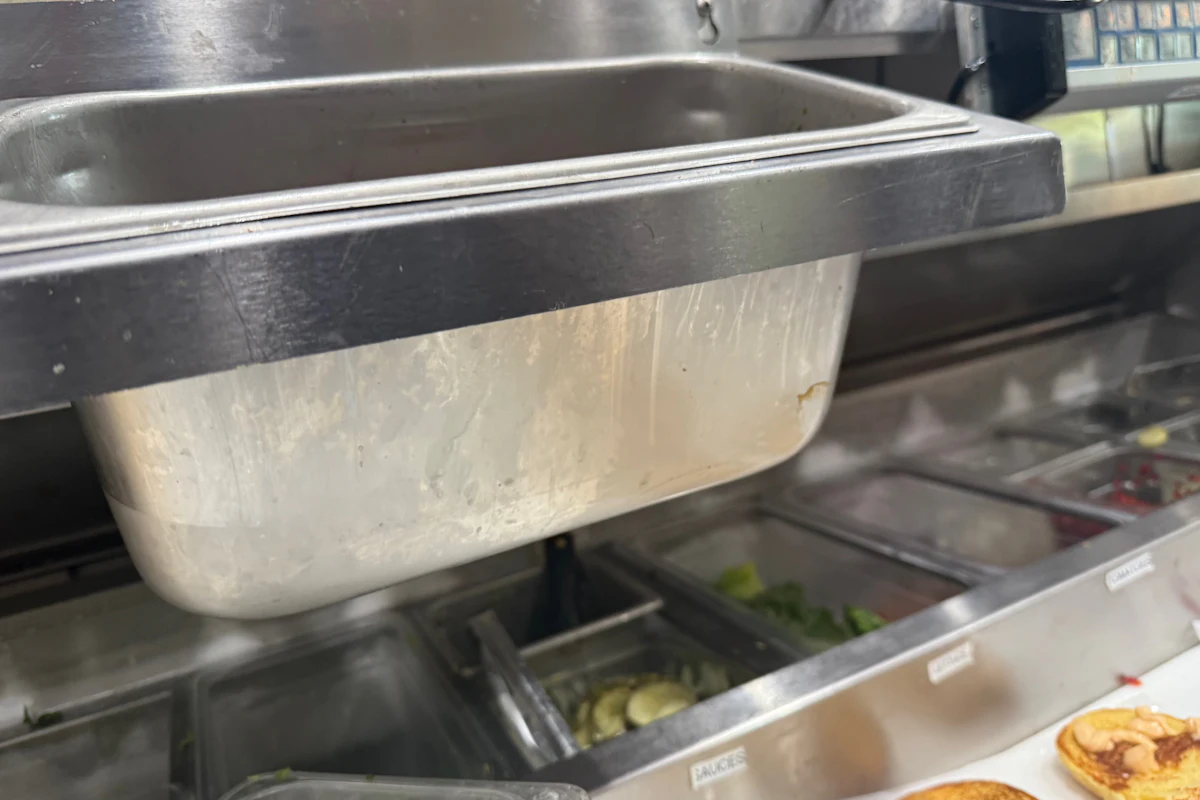
If you cook shell eggs to order, step 2 becomes the bottleneck. Precooked, frozen egg patties move the egg cooking off your line, so heating is the only egg task left.
Station layout for a breakfast sandwich assembly line
The layout depends on space and volume, but the zones stay the same. Plan each zone before you buy equipment.
Heat and hold zone
Group the oven, microwave or griddle with the holding cabinet so cooked items move a step or two. Batch-heat eggs and meats here, then load holding pans by item. For methods and temperatures, see how to reheat frozen egg patties.
Toast zone
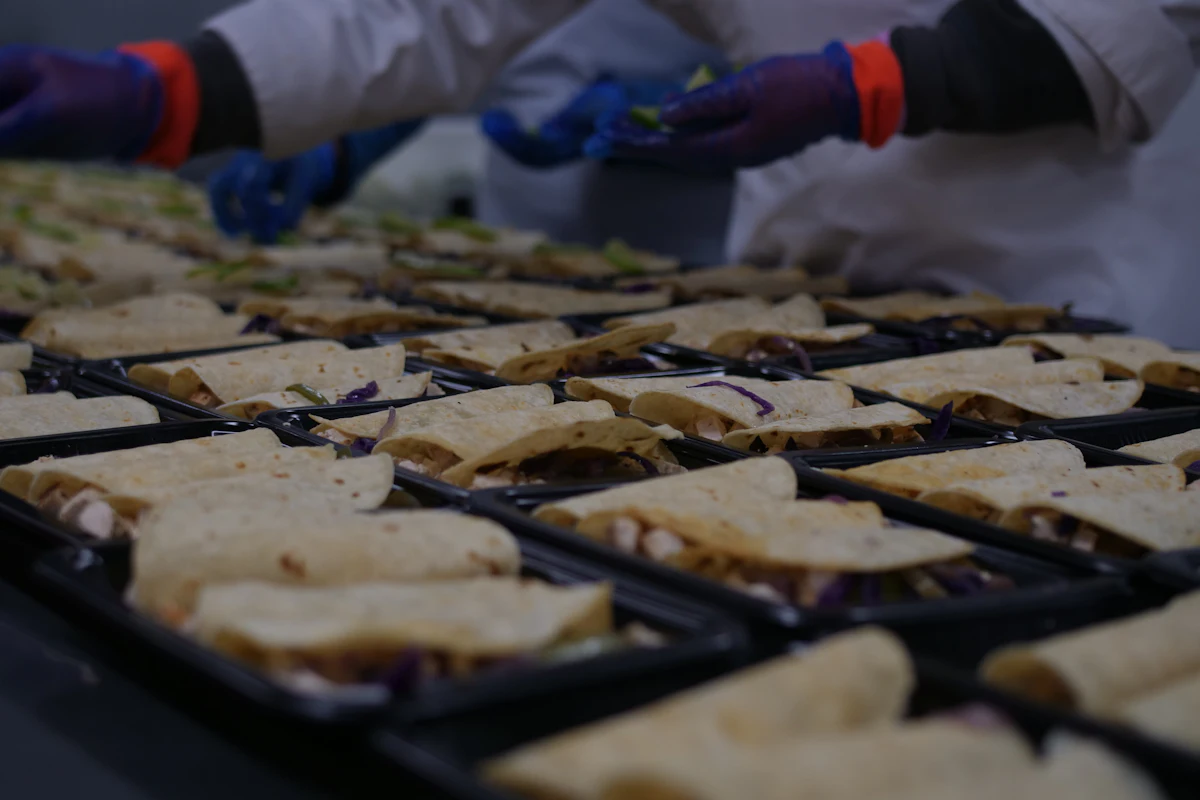
Toast is often the slowest single step at peak. A conveyor toaster or a contact toaster sized to your bread keeps up better than a pop-up unit. Place it right before the build station so bread arrives warm.
Build zone
The builder works from a cold-well or prep table with cheese, sauces and toppings in front, and hot components from the holding cabinet at one side. Keep the most used items closest, and store backups below the counter so the builder never walks.
Wrap and hand-off zone
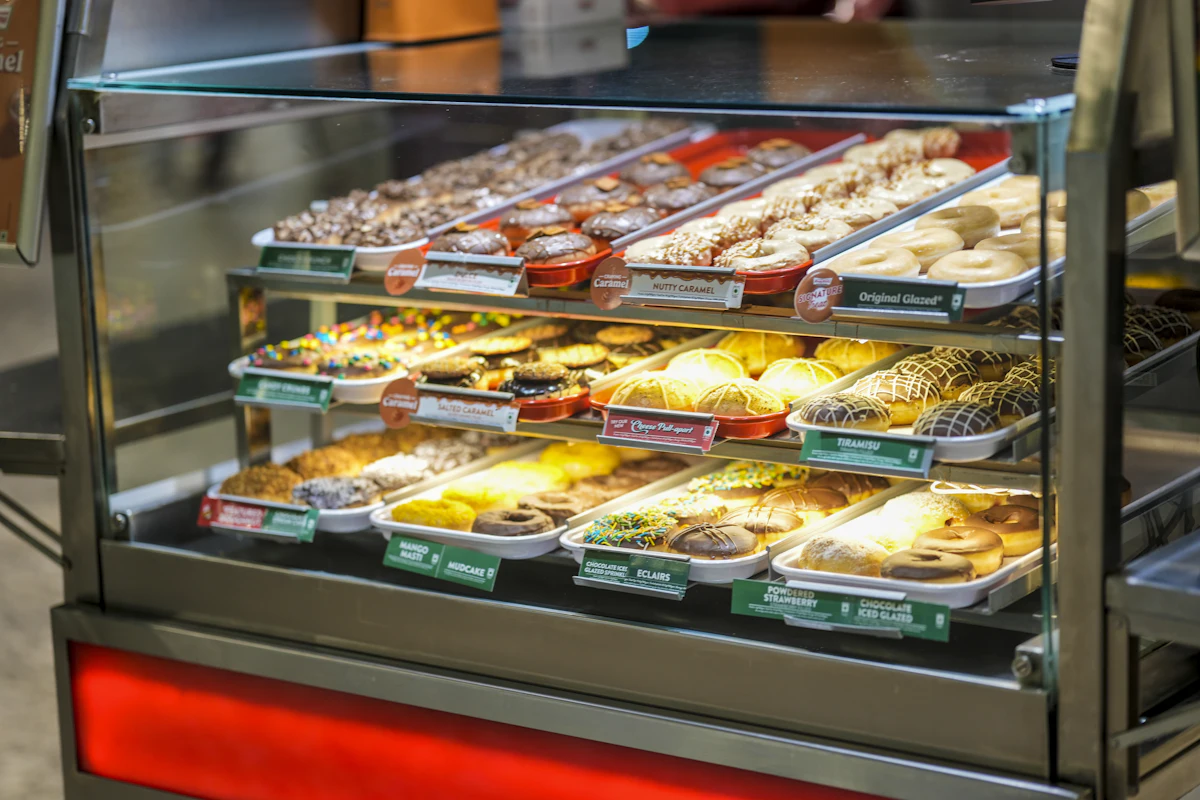
Wraps, clamshells, labels and bags sit at the end of the build table. If you sell grab-and-go, the heated merchandiser goes at the end of this zone, facing customers.
Equipment by volume
Match equipment to the number of sandwiches you sell in your busiest hour. The table shows common setups; your equipment dealer can size units to your menu.
| Operation | Heating | Holding | Toast | Best egg format |
|---|---|---|---|---|
| Small C-store, made to order | Microwave or high-speed oven | Small heated cabinet or none | Contact or pop-up toaster | Round or folded patty heated per order |
| C-store grab-and-go | Convection oven | Heated merchandiser at the counter | Convection oven or toaster | Patties that hold well wrapped |
| QSR, moderate volume | Convection or combi oven, plus griddle | Heated holding cabinet | Conveyor toaster | Round and folded patties in batches |
| QSR, high volume | Combi oven and griddle | Multi-tray holding cabinet with timers | Conveyor or contact toaster | Several formats by menu item |
| Campus or hospital cafe | Convection or combi oven | Steam table or heated cabinet | Conveyor toaster | Round patties and omelets |
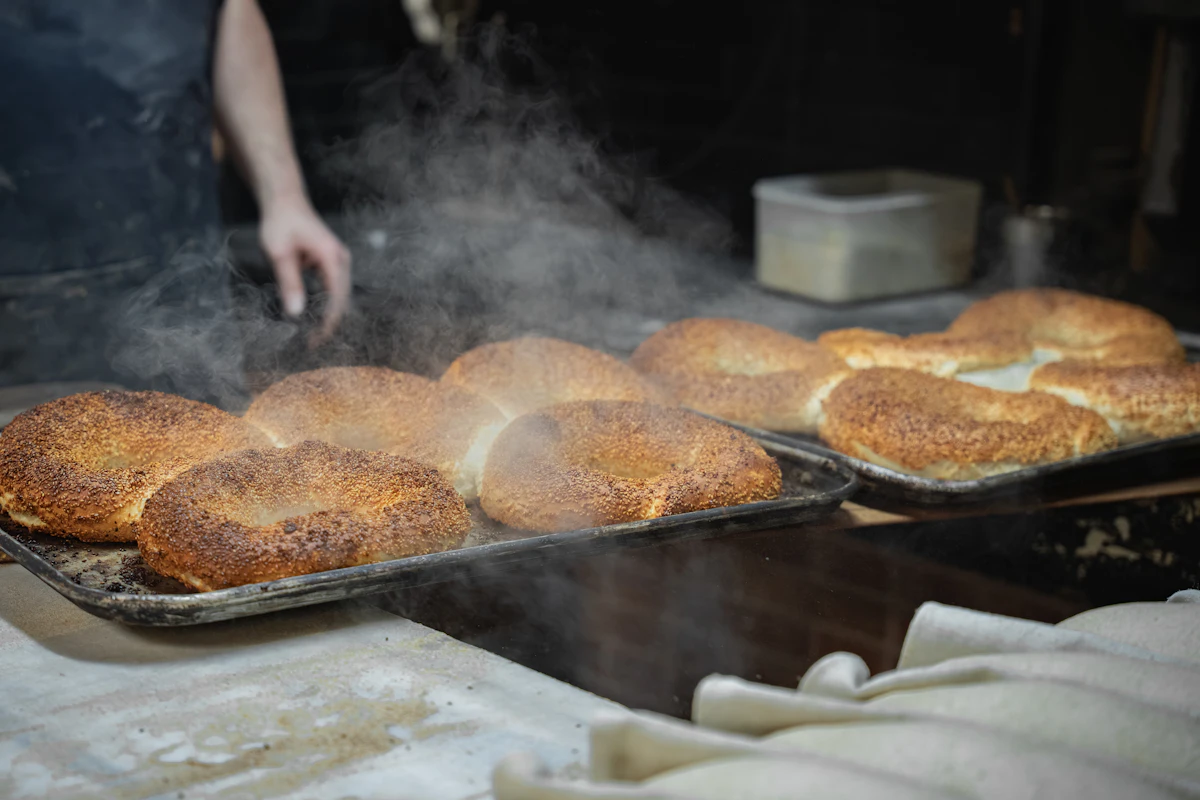
Format matters as much as equipment. Folded eggs stack flat with cheese and cover square and oblong bread, which speeds wrapping; see what a folded egg is. For a side-by-side view, compare the folded egg vs round egg patty.
Staffing the line
Even a small line works better with clear roles. During peak, many operators split it this way:
- Heat and hold: loads ovens, rotates holding pans, tracks times and discards on schedule.
- Build: toasts and assembles to the build card.
- Wrap and expedite: wraps, labels, bags and calls orders.
At low volume, one person can run all three if the station is compact. At higher volume, add a second builder before adding anyone else, since the build is where orders queue.
Build cards and portion control
A build card is a one-page picture and list for each sandwich. It shows the bread, the egg format, the order of layers and the portion of each item. Post it at eye level at the build station.
Consistent portions start with consistent components. Precooked patties come in fixed weights and diameters, so every sandwich gets the same egg. Choose the patty size that fits your bread; the egg patty sizes guide matches common carriers.
Need menu ideas to build cards for? See our breakfast sandwich ideas for restaurants.
Holding, safety and quality on the line
The FDA Food Code sets hot holding at 135°F or above and cold holding at 41°F or below. Most state and local codes are based on it, so check your own jurisdiction's version.
On the line, that becomes a few habits:
- Probe holding pans at set times and log the reading.
- Label each pan with its time in, and discard at your posted limit.
- Heat to demand. Small, frequent batches beat one large batch at open. Long holding is the main reason patties turn tough; see rubbery egg patty causes and fixes.
- Keep cold items cold in the cold-well, with backups in the cooler.
Speed also raises injury risk around hot equipment. OSHA's restaurant cooking safety eTool covers burns, hot surfaces and slips, and it is worth using in training, especially for new and teen staff.
C-store breakfast sandwich program: extra checks
C-stores often run breakfast with one or two people who also work the register. Keep the program simple:
- Limit the menu to a few builds that share components.
- Pre-build and wrap a forecast quantity for the merchandiser, and make the rest to order.
- Use an egg format that holds well wrapped and reheats evenly in your oven.
- Track sales by hour for two weeks before you set batch sizes.
FAQ
How do you set up a sandwich station?
Arrange it in one direction: storage, heating, holding, toasting, building, wrapping and hand-off. Put cheese, sauces and toppings in a cold-well in front of the builder, hot components to one side, and wrapping supplies at the end. Post a build card for each sandwich so every shift builds it the same way.
What equipment do you need for a breakfast sandwich program?
At minimum: a freezer and cooler, a heating unit (convection oven, combi oven, microwave or griddle), a holding cabinet or steam table, a toaster, a refrigerated prep table and wrapping supplies. C-stores selling grab-and-go also need a heated merchandiser. Size each unit to your busiest hour.
How do C-stores keep breakfast sandwiches warm?
Most use a heated merchandiser or holding cabinet that keeps wrapped sandwiches at 135°F or above, the FDA Food Code hot holding temperature. Each sandwich is labeled with a time and pulled at a set limit. Pre-building only the forecast quantity keeps holding times short and quality steady.
Can you pre-make breakfast sandwiches?
Yes, for grab-and-go, as long as they are built from hot components, wrapped, labeled and held at 135°F or above, or chilled quickly for a cold program. Pre-build only what you expect to sell in the holding window. Egg formats that hold well wrapped give the best results.
How do you keep breakfast sandwiches from getting soggy?
Toast the bread, build quickly, and wrap in a material that lets some steam escape. Drain any excess moisture from steamed components and keep sauces light. Long holding also softens bread, so heat and build in small batches matched to demand.
Next step
Before you order components, write the specs your line depends on with the egg patty spec checklist for QSR and C-store buyers, and see the complete buyer's guide to precooked egg patties. Echo Lake's IQF, heat and serve scrambled egg patties, fried egg patties and folded egg squares are listed for sandwich building. To discuss your line, contact Echo Lake Foods.