
Quick answer
What egg dishes work best on a hospital breakfast menu?
Dishes that stay moist on a tray and fit the most diet orders: plain scrambled eggs, scrambled egg whites, folded omelets, frittata squares, egg and cheese muffins and hard-cooked eggs. Keep sauces on the side, cook every egg fully and let the diet manual decide which dish goes to which patient.
Good hospital breakfast menu ideas must pass three tests a restaurant menu never faces. The dish must survive 20 minutes or more from tray line to bedside, fit as many diet orders as possible, and appeal to a patient who may not feel like eating. Eggs pass all three better than most breakfast proteins: a large egg carries about 6 grams of protein (USDA FoodData Central), and eggs adapt to soft, low fat and reduced sodium versions.
Below: 12 egg dishes rated for tray holding, a rotation and the rules; our healthcare foodservice breakfast guide covers the whole program.
Hospital breakfast menu ideas at a glance
| # | Dish | Hot or cold | Holds on a tray | Notes for the dietitian |
|---|---|---|---|---|
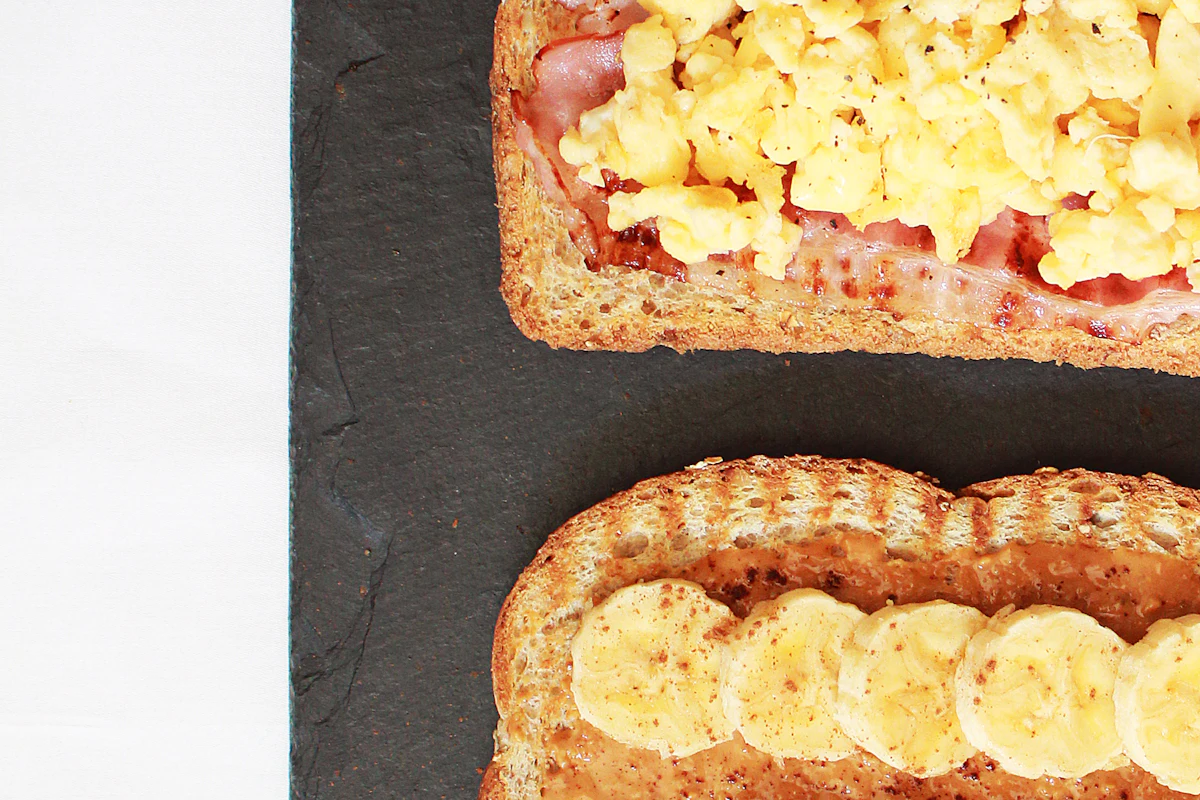
| 1 | Plain scrambled eggs | Hot | Good, covered | Base for most diets |
| 2 | Scrambled egg whites | Hot | Good, covered | Low fat, no yolk |
| 3 | Plain folded omelet | Hot | Very good | Easy to portion |
| 4 | Cheese omelet | Hot | Very good | Cheese adds sodium |
| 5 | Vegetable frittata square | Hot | Very good | Check vegetable texture |
| 6 | Egg bake or strata | Hot | Very good | Bread adds sodium and carbs |
| 7 | Egg and cheese English muffin | Hot | Good, wrapped | Not for soft textures |
| 8 | Soft breakfast burrito | Hot | Good, wrapped | Not for soft textures |
| 9 | French toast | Hot | Good | Syrup counts as carbs |
| 10 | Hard-cooked egg | Cold | Very good | Simple, low sodium |
| 11 | Diced egg on a fruit or cottage cheese plate | Cold | Very good | Light option |
| 12 | Texture-modified eggs | Hot | Fair | Per the diet order |
The notes are prompts for the registered dietitian, not diet rules. Your approved diet manual decides which dish appears on which diet.
Hot egg dishes (1 to 9)
1. Plain scrambled eggs. The default most patients recognize and most diets allow. Season lightly and put salt, pepper and cheese on the side, so one batch serves regular and reduced sodium trays alike. Cook them soft but fully set; dry curds are the top complaint once a tray has traveled.
2. Scrambled egg whites. For low fat orders and patients who ask for them. Whites dry out faster than whole eggs, so plate them last and cover them at once. Echo Lake's LL3010NTDC cholesterol and fat free scrambled eggs (20 lb bulk) are made for this slot; ask for the nutrition panel before you place them on a diet.
3. Plain folded omelet. A half-moon omelet holds its shape under a dome, portions itself and looks plated rather than spooned. It is the easiest egg to make look appetizing on a tray.
4. Cheese omelet. The most requested variation. Cheese adds sodium and fat, so offer it on regular diets and keep the plain omelet for restricted ones. Echo Lake makes plain, cheese and cholesterol and fat free half-moon omelets.
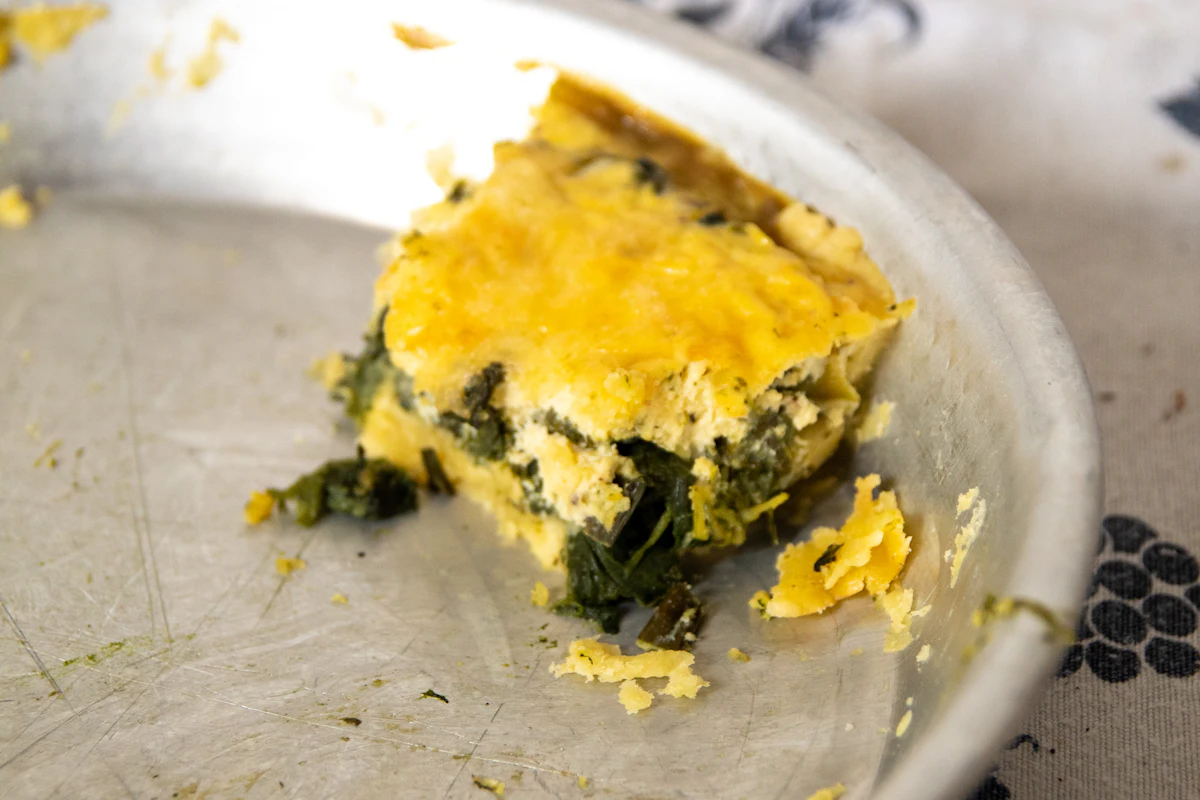
5. Vegetable frittata square. Baked in a hotel pan, cut into squares and held in a single layer. Spinach, peppers and tomato add color to a pale tray. Cook vegetables soft and dice them small.
6. Egg bake or strata. Bread, egg and cheese baked the night before and reheated. It holds moisture well, so it suits long tray routes, but bread and cheese push sodium and carbohydrate up.
7. Egg and cheese English muffin. Patients can eat it with one hand, which helps after surgery or with an IV line. Wrap it to keep the muffin from drying. Not for soft or texture-modified diets.
8. Soft breakfast burrito. Scrambled egg, potato and mild cheese in a soft tortilla, wrapped in foil or paper. Keep it mild; spicy salsa belongs in a cup on the side.
9. French toast. Egg-dipped bread is a sweet option that still carries some protein. Heat and serve French toast avoids a griddle station at 5 a.m. Count syrup in the carbohydrate total for consistent carbohydrate diets.
Cold egg options (10 and 11)
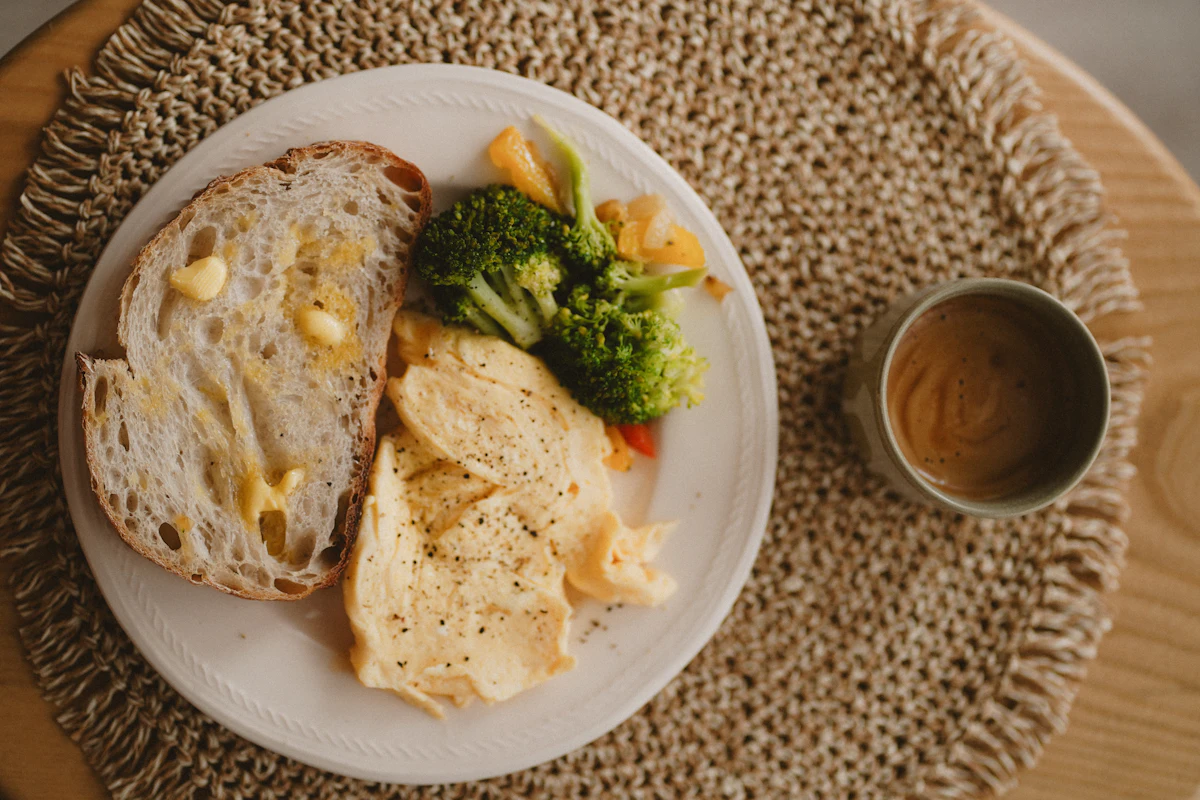
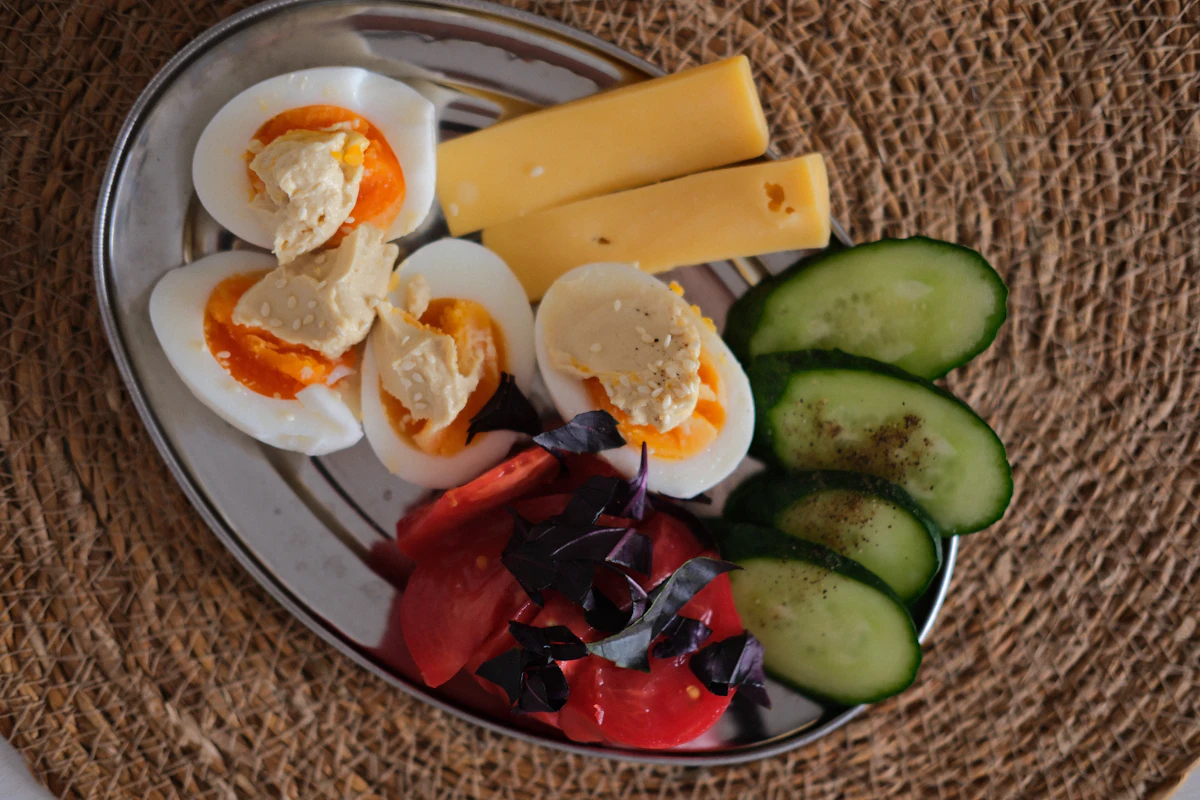
10. Hard-cooked egg. Cheap, portable and easy to fit on most diets. A plain egg is naturally low in sodium: USDA FoodData Central lists about 65 to 71 mg in a large egg.
11. Diced egg on a fruit or cottage cheese plate. A light plate for patients with a small appetite. Diced eggs add protein with no cooking; hold them at 41°F or below.
Texture-modified eggs (12)
12. Soft, minced or pureed eggs. Eggs are among the easier proteins to adapt for patients on texture-modified diets, but the speech-language pathologist sets the level and the kitchen must test each batch. Our guide to eggs for dysphagia covers what works at each IDDSI level.
A seven-day egg rotation
Patients who stay several days notice repetition. This illustrative cycle keeps scrambled eggs as the daily choice and rotates a second hot egg dish:
| Day | Daily choice | Rotating hot dish | Cold option |
|---|---|---|---|
| Monday | Scrambled eggs | Plain omelet | Hard-cooked egg |
| Tuesday | Scrambled eggs | Vegetable frittata | Hard-cooked egg |
| Wednesday | Scrambled eggs | Egg and cheese muffin | Hard-cooked egg |
| Thursday | Scrambled eggs | Cheese omelet | Hard-cooked egg |
| Friday | Scrambled eggs | French toast | Diced egg fruit plate |
| Saturday | Scrambled eggs | Egg bake | Hard-cooked egg |
| Sunday | Scrambled eggs | Breakfast burrito | Diced egg fruit plate |
Offer egg whites every day as a substitute. Your dietitian reviews the full cycle against each diet in the manual.

Rules that shape the menu
Under the Medicare hospital Conditions of Participation, menus must meet the needs of the patients, and all patient diets must be ordered by a practitioner responsible for the patient's care or by a qualified dietitian as authorized by the medical staff (42 CFR 482.28). A current therapeutic diet manual approved by the dietitian and medical staff must be available to food service staff.
The FDA Food Code treats hospital patients as a highly susceptible population. Soft-cooked eggs made from raw eggs may not be served, and pasteurized eggs or egg products must replace raw eggs when more than one egg is broken and combined, except for a single order cooked and served at once (3-801.11). See our guide to pasteurized eggs for restaurants for how that rule works in practice.
Low sodium trays need their own planning; our guide to a low sodium breakfast for patients covers seasoning, swaps and reading spec sheets.
FAQ
What do hospitals serve for breakfast?
Most hospital breakfasts combine an egg dish, a breakfast meat or meat substitute, a starch such as toast, potatoes or cereal, fruit or juice, milk and a hot drink. Patients on room service pick from a menu; others receive a tray built to their diet order from a cycle menu the dietitian has approved.
Can hospital patients have runny eggs?
Generally not from raw shell eggs. The FDA Food Code bars soft-cooked eggs made from raw eggs in facilities serving highly susceptible populations such as hospitals. A soft yolk is possible only with pasteurized shell eggs, where the facility and its local health authority allow it.
Who decides what breakfast a patient can eat?
The diet order does. Under 42 CFR 482.28, a practitioner responsible for the patient, or a qualified dietitian authorized by the medical staff, orders every diet. Food service follows the approved diet manual and the order on each tray ticket.
How do hospitals keep breakfast eggs from drying out?
They cook eggs soft but fully set, plate them last on the tray line, cover them at once and keep the time from plating to bedside short. Heated bases, insulated domes and closed carts help. Our guide to tray line breakfast eggs covers each step.
Are precooked eggs used in hospitals?
Yes. Hospital kitchens use precooked scrambled eggs and omelets to cut early-morning labor and keep portions consistent from tray to tray. They still need correct reheating and holding. Our comparison of precooked eggs for hospitals weighs safety, cost and labor against scratch cooking from shell or liquid eggs.
Next step
If you are weighing heat and serve omelets for the menu, read are precooked omelets worth it for healthcare. For item specifications and nutrition panels, contact Echo Lake Foods.