Quick answer
Should a hospital serve precooked eggs or cook eggs from scratch?
Choose precooked eggs if breakfast depends on a small early crew, you serve many diet variants, or you want no raw egg on the unit. Choose scratch cooking with pasteurized liquid eggs if a skilled cook is already on shift, volume is steady and the lower food cost matters more than labor hours.
Precooked eggs for hospitals arrive fully cooked and frozen, so the kitchen heats, holds and plates them; scratch cooking means pasteurized liquid egg or shell eggs cooked on site. Both can be safe and both can taste good; the difference is where the work and the risk sit. This comparison covers healthcare only: Food Code rules for patients, a worked cost per serving with a healthcare cook wage, diet fit and the real downsides. For the general kitchen comparison, see precooked eggs vs shell eggs.
For the whole program, see our healthcare foodservice breakfast guide.

Precooked eggs for hospitals vs scratch at a glance
| Factor | Scratch cooking | Precooked eggs |
|---|---|---|
| Raw egg in the kitchen | Yes | No |
| Food Code limit for patients | No pooled raw shell eggs | Reheat to 135°F, then hold |
| Morning labor | Portion, cook, clean kettles | Heat and portion |
| Skill needed | A cook who can batch eggs | A written heating procedure |
| Diet variants | A batch for each | Separate codes per style |
| Texture | Softer, adjustable | Firmer, fixed by the code |
| Consistency across shifts | Depends on the cook | Same size and curd |
| Food cost per serving | Usually lower | Usually higher |
| Storage | Cooler for liquid egg | Freezer space for cases |
Safety: what changes for patients
Hospital patients are a highly susceptible population under the FDA Food Code 2026. Section 3-801.11 requires pasteurized eggs or egg products in any recipe where more than one egg is broken and combined, except a single serving cooked to order and served at once, and bans soft-cooked eggs made from raw eggs. In practice, scratch scrambled eggs for a tray line mean pasteurized liquid egg, cooked for hot holding to 155°F for 17 seconds (3-401.11).
Shell eggs still carry Salmonella risk upstream. In 2026, CDC and FDA investigated a multistate Salmonella Enteritidis outbreak linked to shell eggs, with 134 cases, 34 hospitalizations and illnesses in 18 states, closed on September 3, 2026; CDC notes that adults 65 and older and people with weakened immune systems may have more severe illness (CDC: Salmonella Outbreak Linked to Shell Eggs).
Precooked eggs remove raw egg from the unit kitchen. Echo Lake's precooked egg products are made from a blend of USDA inspected, pasteurized eggs, and ready-to-eat products commercially processed in an inspected plant need reheating to at least 135°F for hot holding (3-403.11(C)). Neither format fixes poor holding: both need 135°F or above, clean utensils and fast delivery. The rules in detail are in pasteurized eggs for restaurants.
Cost per serving: count the cook
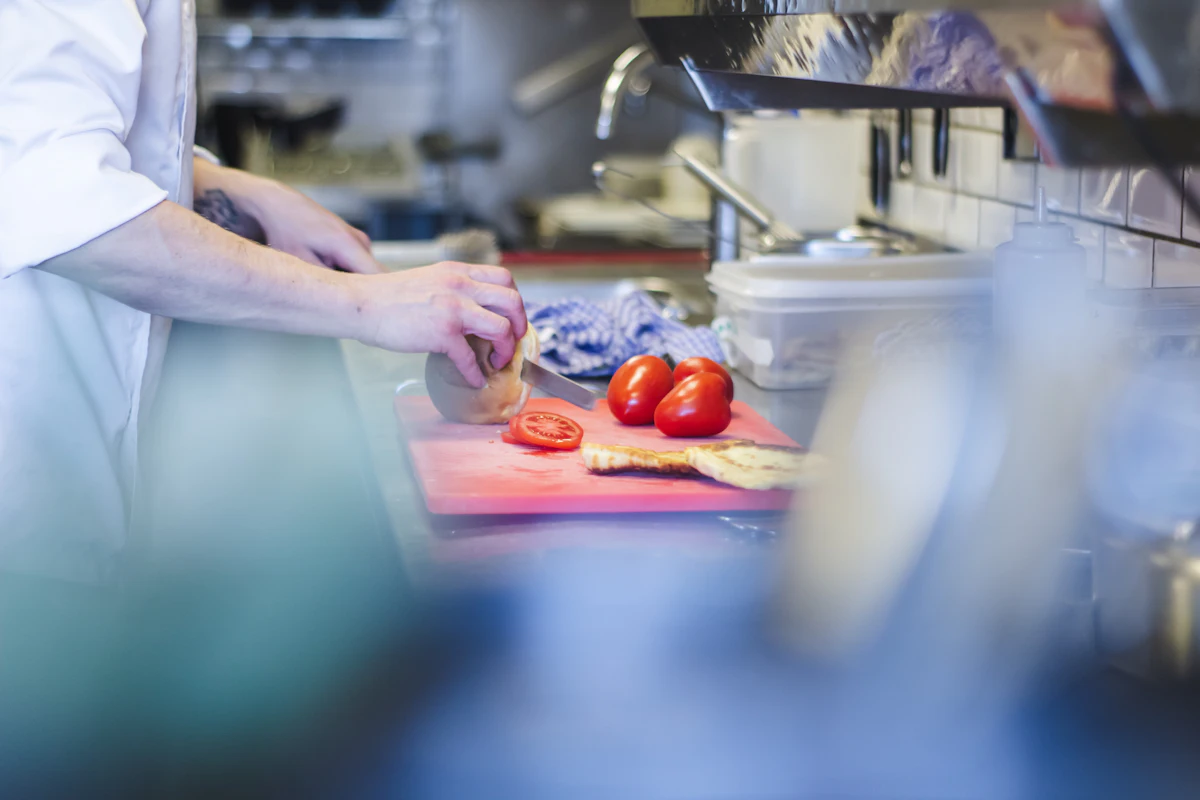
The invoice favors scratch. Labor narrows the gap. Ingredient and product prices below are invented, not quotes from Echo Lake or anyone else. The wage is the May 2025 median hourly wage for cooks in healthcare and social assistance from the Bureau of Labor Statistics, $18.35.
Hypothetical hospital breakfast: 200 egg servings.
| Line | Scratch, pasteurized liquid egg | Precooked eggs |
|---|---|---|
| Food (invented prices) | 200 x $0.45 = $90.00 | 200 x $0.70 = $140.00 |
| Waste | 6% of food = $5.40 | 2% of food = $2.80 |
| Labor hours | 1.75 h (portion, cook, diet batches, kettles) | 0.5 h (heat, portion) |
| Labor at $18.35 | 1.75 x $18.35 = $32.11 | 0.5 x $18.35 = $9.18 |
| Total and per serving | $127.51, about $0.64 | $151.98, about $0.76 |
In this example scratch wins by about 12 cents a serving. That is a real result, and many hospitals with a cook on shift will see something like it.
When the math flips
- The cook comes in only for eggs. If scratch eggs need 3 hours of an early cook, labor is 3 x $18.35 = $55.05 and the scratch total rises to $150.45, within about $1.50 of precooked.
- The precooked price is lower. Break-even here: 200 x price x 1.02 + $9.18 = $127.51, so the price is about $0.58 a serving.
- Diet batches multiply. Each extra batch (low fat, no added salt, a late tray) adds minutes to scratch and almost none to precooked.
For the staffing side, see the healthcare foodservice labor shortage.
Diets, texture and the tray
Precooked eggs come in fixed styles, so match codes to diet orders with your dietitian. Echo Lake's precooked scrambled eggs include LL3010NTDC Cholesterol and Fat Free and LL3012 Low Fat (20 lb bulk); its omelets include MF 3010 Cholesterol and Fat Free (84/3 oz); and its diced eggs include EL 1013B Cholesterol and Fat Free. Sodium and nutrition values are on each spec sheet, so ask for them before menuing; see low sodium breakfast for patients.
Texture-modified diets need testing whatever the format; see eggs for dysphagia diets. High-risk trays are covered in neutropenic diet eggs, plating and carts in tray line breakfast eggs, and menus in hospital breakfast menu ideas and senior living breakfast ideas.
Real downsides of precooked eggs in hospitals
- Higher food cost per serving. You pay for the plant's cooking and freezing.
- Firmer texture. Precooked eggs are firmer than soft scratch eggs and can dry out if held too long.
- Fixed recipe. Each code has its own ingredients and allergens; read the statement.
- Freezer space. Cases need room, and thawing or heating must follow the label.
Who scratch cooking still suits
Small hospitals with a cook on every breakfast shift, kitchens with steady census and few diet variants, and patient-dining programs that sell eggs cooked to order. Omelets have their own case; see precooked omelets for healthcare.
How to run a trial
Run two weeks on one unit or one tray line pass. Track minutes, temperatures at the end of the line, tray returns, waste and patient comments, then rerun the cost table with your own numbers.

FAQ
Are precooked eggs safe for hospital patients?
They remove raw egg handling from the kitchen and are made from pasteurized eggs, which the Food Code requires for pooled egg dishes in hospitals. They still need correct heating to at least 135°F, holding at 135°F or above, clean handling and quick delivery to the bedside.
Can hospitals cook scrambled eggs from shell eggs?
Only one serving at a time, cooked to order and served at once. Food Code 3-801.11 bars pooling raw shell eggs for batch recipes in hospitals and nursing homes, so batch scrambled eggs need pasteurized liquid eggs, pasteurized shell eggs or a precooked product.
Are precooked eggs cheaper for hospitals?
Not always. Food cost per serving is usually higher, so they save money only when the labor and waste they remove are real. In our hypothetical 200-serving breakfast, scratch was about 12 cents cheaper until an early cook's hours came only for the eggs.
Do hospitals use real eggs?
Yes. Scratch kitchens use pasteurized liquid or shell eggs, and precooked products are made from eggs plus added ingredients; read the ingredient statement for each code. Echo Lake's precooked egg products start with a blend of quality USDA inspected, pasteurized eggs.
Next step
Echo Lake makes precooked scrambled eggs in seven 20 lb styles and half-moon omelets, with products for health care facilities among its foodservice solutions. To fill in the cost table with real prices, request a sample, spec sheet and pricing from Echo Lake Foods.