
Quick answer
Should a commercial kitchen use precooked eggs or shell eggs?
Choose shell eggs if you cook to order, have skilled cooks on every shift and the lowest food cost per plate matters most. Choose precooked eggs if you serve volume in a short window, are short on staff, run several sites that must match, or serve a population where pooling raw eggs is restricted.
Precooked eggs vs shell eggs is rarely a question of which is better; it is which costs less once labor, waste and food safety steps are counted for your menu. This comparison is for hotels, caterers, healthcare and senior dining, cafeterias and other general commercial kitchens. School buyers should read are precooked eggs worth it for school breakfast, and sandwich programs the pros and cons of precooked egg patties. For every egg format side by side, see our guide to egg products for foodservice.
Precooked eggs vs shell eggs at a glance
| Factor | Shell eggs | Precooked eggs |
|---|---|---|
| Food cost per serving | Usually lowest | Usually higher; you pay for cooking and freezing |
| Labor per serving | Cracking, cooking, cleanup | Heat, hold and portion |
| Skill needed | Egg cookery on every shift | A written heating procedure |
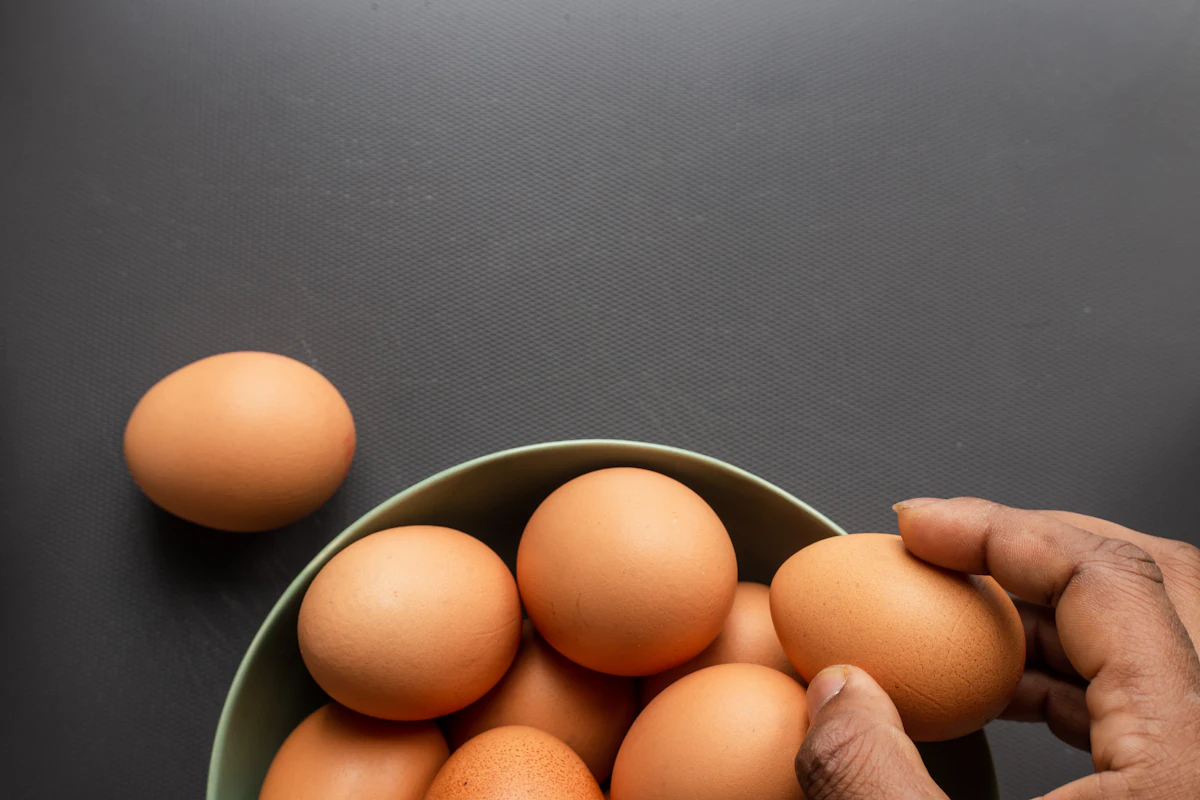
| Raw egg handling | Yes, with cooking and pooling rules | None on site |
| Holding on a line | Best served fresh | Built for batch heating, still time-limited |
| Storage | Refrigerated, received at 45°F air or below | Frozen or refrigerated, per the label |
| Menu range | Any style, cooked to order | Fixed formats: scrambled, patty, omelet, diced |
| Consistency across sites | Depends on the cook | Same piece or scoop every time |
| Guest perception | "Fresh cracked" can be a selling point | Some guests notice the difference |
Frozen or refrigerated? See frozen vs refrigerated precooked eggs.
Cost per serving: count labor and waste
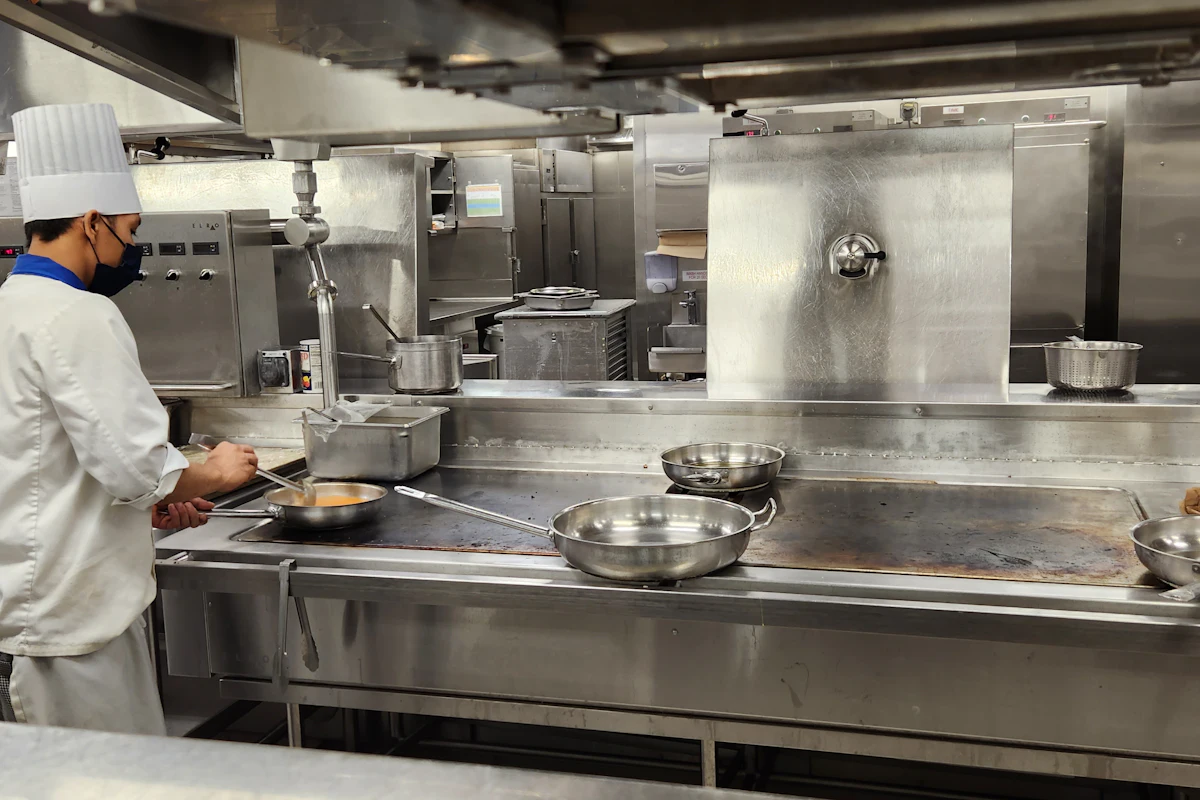
Shell eggs almost always win on the invoice. Precooked eggs carry the cost of breaking, cooking, freezing and packing. The comparison changes when you add the time your staff spend cracking, cooking, temping and cleaning, plus eggs lost to breakage and overcooked batches.
Run the numbers with our method for calculating egg cost per serving, which includes a worked example and a blank worksheet. In that hypothetical example, shell eggs still came out cheapest per plate; a higher wage, a smaller crew or more waste would change the order. Do not trust anyone's general answer, including ours: use your invoices and a timed batch.
When egg markets spike, the gap moves too. Precooked item prices depend on your supplier contract, while shell egg prices are exposed to the market; see egg prices for restaurants.
Labor and skill
Shell eggs need a cook who can scramble 200 portions without drying them out, on every shift, every day. Precooked eggs need someone who can follow a heating procedure and pull to forecast. That is the main reason operators switch: the work moves from the morning line to the supplier's plant. Our guide to reducing breakfast prep labor shows where the minutes go.
The saving is real only if the freed hours are used or cut. If your cook is on the clock anyway, a precooked product mainly buys consistency, not payroll.
Food safety steps
Raw shell eggs bring rules that precooked eggs do not. Under the FDA Food Code (FDA Food Code 2026):
- Raw shell eggs are received in refrigerated equipment at 45°F air temperature or below.
- Eggs broken to order are cooked to 145°F for 15 seconds; eggs broken and held, such as pooled scrambles, to 155°F for 17 seconds.
- Hospitals, nursing homes, child and adult day care and similar facilities must use pasteurized eggs when more than one egg is broken and combined, outside a few exceptions.
Commercially processed, ready-to-eat food reheated for hot holding must reach at least 135°F, and hot holding is at 135°F or above. Precooked eggs therefore remove raw egg handling, pooling and cross-contamination steps, but they still need temperature control. When the Food Code requires pasteurized eggs covers the details.
Quality and holding
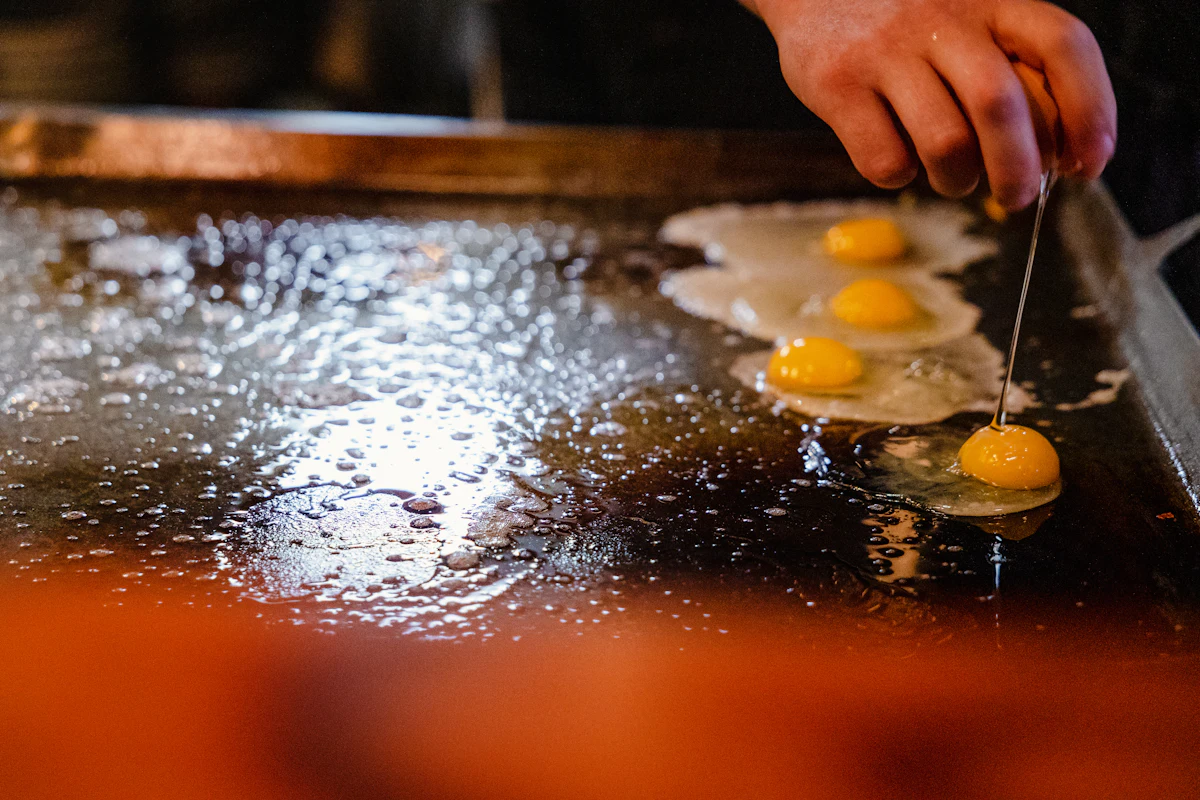
Shell eggs cooked to order are hard to beat on a plate. On a buffet or steam table, though, scratch scrambled eggs can dry out and discolor as they hold, so kitchens cook small batches all morning. Precooked eggs are built for batch heating, but they are reheated eggs: heat them too long or hold them too long and they turn rubbery. Batch to demand with either format.
Real downsides of precooked eggs
- Higher food cost per serving. You pay for processing on every piece.
- Less menu freedom. You buy formats, not styles; over-easy to order still needs shell eggs.
- Ingredients you do not choose. Many formulas add milk, starch or other ingredients; check allergens and sodium on the spec sheet.
- Freezer space. Cases of frozen product compete with everything else in the freezer.
- Guest perception. In a brunch restaurant that sells fresh-cracked eggs, precooked eggs can hurt the brand.

Who precooked eggs are not for
Precooked eggs are a poor fit for cook-to-order restaurants where eggs are the signature, for kitchens with low egg volume where a few dozen shell eggs a day are simple, and for menus built on styles no stock item matches. If that is you, buy good shell eggs, and consider pasteurized shell eggs or liquid egg for raw egg sauces and pooled batches.
Who precooked eggs fit
- Hotels and conference breakfasts: hundreds of portions in a two-hour window.
- Healthcare and senior dining: no pooled raw eggs, consistent texture on a tray line.
- Caterers and commissaries: cook once at the plant, heat on site.
- Multi-unit operators: the same scoop or patty in every location.
How to trial precooked eggs
- Pick the format: scrambled for buffets and burritos, patties for sandwiches, omelets for plated entrees, diced for salad bars.
- Ask for the spec sheet, ingredient statement and heating instructions for each item code. Our post on USDA inspected egg products lists the documents.
- Heat a case on your real equipment and hold it for your real service time.
- Compare cost per serving and plate quality against your shell egg batch.
For background on formats, see what egg products are.
FAQ
Are precooked eggs real eggs?
Yes. Precooked egg products are made from eggs, often with added ingredients such as milk or starch for texture. Read the ingredient statement on the spec sheet for each item code; formulas differ by product and supplier.
Are precooked eggs cheaper than shell eggs?
Usually not on food cost alone. They can be cheaper per serving once labor, waste and cleanup are counted, mostly in high-volume, short-staffed kitchens. Run your own numbers before you decide.
Do precooked eggs taste as good as fresh?
A shell egg cooked to order usually wins. On a buffet or tray line after holding, a well-heated precooked egg often holds up better than scratch eggs cooked an hour earlier. Test both on your own line.
Are precooked eggs safer than shell eggs?
They remove raw egg handling and pooling from your kitchen, which removes several Food Code risk steps. They still need correct storage, heating and hot holding, like any ready-to-eat food.
Can you use precooked eggs in a hospital or nursing home?
Yes. Precooked eggs made from pasteurized eggs avoid pooling raw eggs, which the Food Code restricts in those settings. Confirm the heating procedure, allergens and texture needs for modified diets. Our guide to precooked eggs for hospitals compares safety, cost and labor.
Next step
Compare Echo Lake's precooked scrambled eggs (20 lb bulk, larger and smaller curds), scrambled egg patties and omelets, then request a sample or spec sheet from Echo Lake Foods.