Quick answer
What are egg products?
Egg products are eggs removed from the shell and sold as liquid, frozen or dried whole eggs, whites, yolks or blends, with or without added ingredients. In the US they must be pasteurized and produced under USDA inspection. Shell eggs, and cooked items such as egg patties, are not egg products under the federal definition.
If you buy for a kitchen or a plant, what are egg products is more than a vocabulary question. The answer decides which rules apply, what your spec sheet should say and which documents to ask for. Below: the legal definition, the forms and types, what falls outside it, and how each type is used in foodservice. For every egg format side by side, see our guide to egg products for foodservice.
What are egg products under federal law?
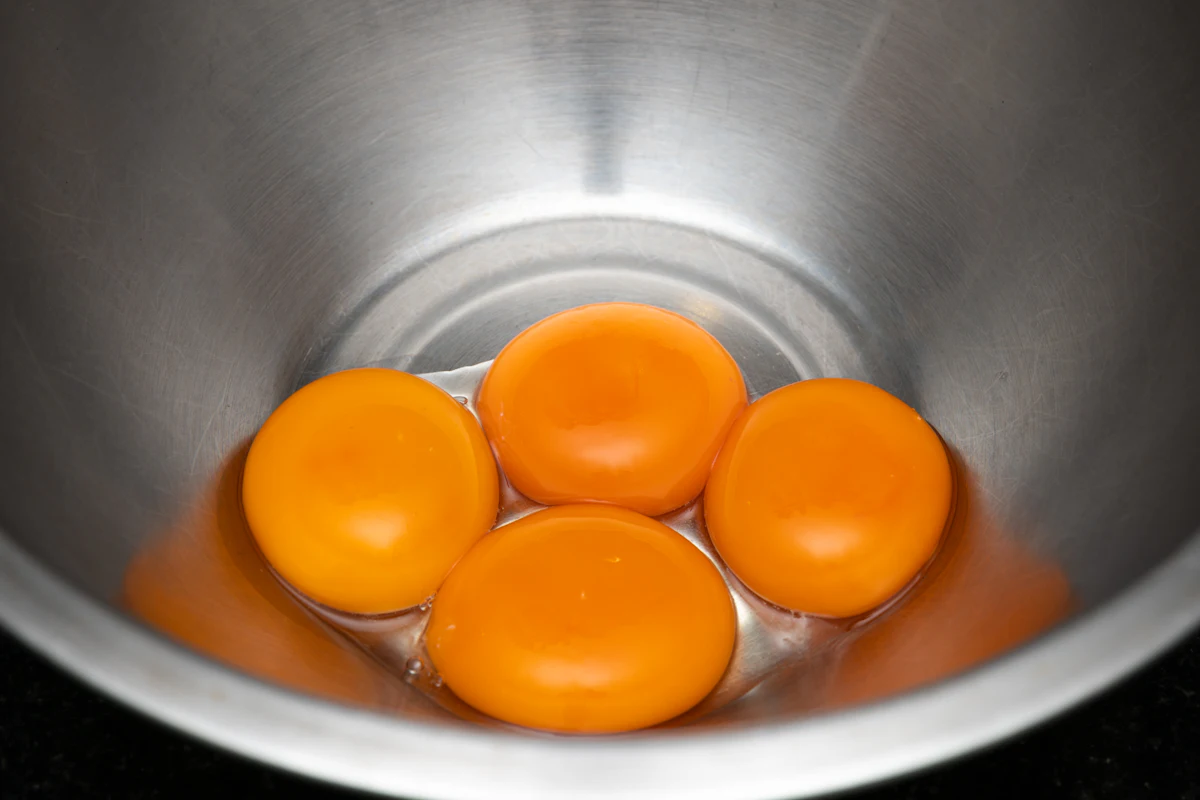
The USDA regulation that governs egg processing defines an egg product as "any dried, frozen, or liquid eggs, with or without added ingredients," with exemptions for products that contain only a small proportion of egg or that consumers have not historically seen as egg industry products (9 CFR 590.5). In the same section, "egg" means the shell egg of the domesticated chicken, turkey, duck, goose or guinea.
Three points follow for buyers:
- Form is the test. Liquid, frozen and dried eggs are egg products whether they are whole egg, whites or yolks.
- Added ingredients do not change the category. Salted yolk or a whole egg blend with milk is still an egg product.
- The shell matters. An egg in its shell is a shell egg, regulated and graded under different programs, even when it is pasteurized in the shell.
The three forms: liquid, frozen and dried
| Form | How it is sold | How it is kept | Common uses |
|---|---|---|---|
| Liquid (refrigerated) | Cartons, pails, bag-in-box, totes, tankers | Refrigerated, short life | Scrambles, omelets, batters |
| Frozen | Cartons and pails | Frozen, thawed under refrigeration | Bakeries, large batch cooking |
| Dried | Bags, drums, No. 10 cans | Dry storage | Mixes, baking, long storage |
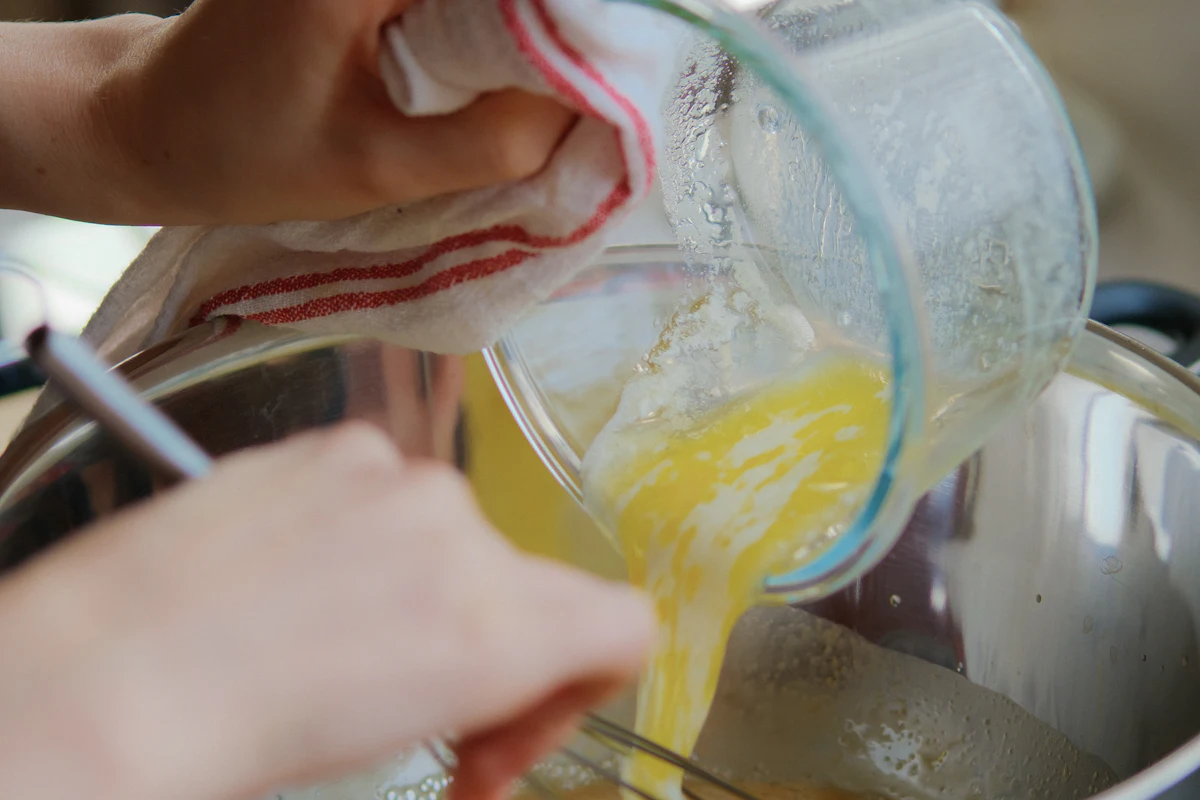
Liquid egg is the closest to a cracked egg and the most perishable. Frozen egg trades a thaw step for a much longer storage life. Dried egg, usually spray dried, keeps the longest and is weighed and reconstituted with water. Storage times vary by product and processor, so follow the date and the storage instructions on each case.
Types by egg part: whole egg, whites, yolks and blends
Each form comes in several types:
- Whole egg: whites and yolks in natural proportion, the default for scrambled eggs and most cooking.
- Egg whites: for lower-fat menu items, meringues and baking; whites whip and set differently from whole egg.
- Egg yolks: for sauces, custards, dressings and ice cream; often sold salted or sugared so they hold up to freezing.
- Blends: whole egg or whites with added ingredients such as milk, oil, salt or citric acid, built for a specific use like scrambling or holding on a steam table.
When you compare items, check the ingredient statement first. Two cartons labeled "liquid egg" can differ in added ingredients, sodium and how they behave in the pan.
What is not an egg product?
The same regulation lists products that are exempted as not being egg products. They include cooked egg products, imitation egg products, dietary foods, egg nog mixes, acidic dressings, noodles, cake mixes, French toast and sandwiches containing eggs. The exemption holds only if they are prepared from inspected egg products, or from eggs that meet the restricted egg limits of U.S. Consumer Grade B shell eggs.
For a foodservice buyer, that line explains a lot:
| Item | Egg product under 9 CFR 590.5? | What to ask for |
|---|---|---|
| Liquid, frozen or dried egg | Yes | Pasteurized, USDA inspected, spec sheet |
| Shell eggs, including pasteurized in-shell | No, shell eggs | Grade, size, pack date |
| Precooked patties, omelets, scrambled eggs | No, exempted as cooked | Proof the egg came from inspected egg products |
| Imitation egg products | No, exempted | Ingredient statement, nutrition |
So a precooked egg patty is not itself an egg product, but the liquid egg it is made from should be. Echo Lake's precooked egg products are made from a blend of quality USDA inspected, pasteurized eggs. Our guide to what egg patties are made of walks through the rest of a typical patty ingredient list.
Pasteurization and inspection
US egg products must be pasteurized, under the Egg Products Inspection Act of 1970, and produced in plants under USDA Food Safety and Inspection Service inspection (USDA FSIS). The regulation defines pasteurizing as subjecting each particle of egg product to heat or other treatments to destroy harmful viable microorganisms.
For buyers, that gives two quick checks on every item: the case should show the USDA inspection legend, and the spec sheet should state that the product is pasteurized. Pasteurized does not mean shelf stable; liquid and frozen products still need the cold chain.
How foodservice uses each type
Most operations use egg products where cracking shell eggs costs more than it saves:
- Scratch breakfast at volume: liquid whole egg or a scramble blend poured straight onto the griddle or into combi pans, with no cracking and no shells.
- Baking and batters: frozen or liquid whole egg, whites or yolks weighed by the pound.
- Dressings and sauces: yolks, often salted, for consistent emulsions.
- Long storage and remote sites: dried egg reconstituted as needed.
To swap egg products into recipes written for shell eggs, use our shell egg to liquid egg conversion chart, which covers liquid, frozen and dried forms by count and weight.
When the goal is to remove cooking as well as cracking, precooked eggs are the next step. Our comparison of precooked eggs vs shell eggs weighs cost, labor and quality for a commercial kitchen, and the precooked egg patties buyer's guide covers formats for sandwiches. If you buy precooked, our comparison of frozen vs refrigerated precooked eggs helps you choose the storage format.
Questions to ask about any egg product
- Which form and type is it, and what are the added ingredients?
- Is it pasteurized, and does the case carry the USDA inspection legend?
- How is it stored and thawed, and what is the shelf life unopened and opened?
- What is the pack size, and does it match how much you use in one shift?
- For cooked items, were they made from inspected, pasteurized egg?
FAQ
Are egg products real eggs?
Yes. Egg products are real eggs taken out of the shell and pasteurized, sold as liquid, frozen or dried whole eggs, whites or yolks. Some contain added ingredients such as salt, sugar, milk or oil, which must appear on the label. Imitation egg products are a separate, exempted category.
Are liquid egg products pasteurized?
Yes. Under the Egg Products Inspection Act, egg products distributed for consumption in the US must be pasteurized, and they are produced in USDA-inspected plants. Pasteurization reduces harmful bacteria, but liquid egg is still perishable and must be kept refrigerated and used by the date on the package.
Is a precooked egg patty an egg product?
Not under the federal definition. Cooked egg products, French toast and sandwiches containing eggs are exempted as not being egg products, provided they are made from inspected egg products or qualifying eggs. Ask the manufacturer to confirm the egg in a patty came from USDA inspected, pasteurized egg.
What is the difference between shell eggs and egg products?
Shell eggs are sold in the shell, graded AA, A or B for quality and sold by size. Egg products are eggs broken out of the shell, pasteurized and sold as liquid, frozen or dried. They fall under different rules, and a recipe swap between them is done by weight.
Do frozen egg products need to be thawed before use?
Usually, yes. Frozen whole eggs, whites and yolks are thawed under refrigeration before use, which takes time for large containers. Never thaw at room temperature. Plan thaw time into prep, and follow the processor's directions for each item.
Next step
If you are weighing egg products against ready-to-heat eggs, see Echo Lake's precooked scrambled eggs and all products, read how Echo Lake approaches quality and USDA inspected eggs, or ask Echo Lake Foods for a spec sheet.