Quick answer
How can a short-staffed kitchen cut breakfast prep time?
Time each breakfast task for a week, then remove the steps guests never see: cracking and batch-cooking eggs, scrubbing egg pans, mixing batters. Swap those for precooked eggs and heat-and-serve French toast, pancakes or waffles, build the menu on shared components, and write one-page station cards so any cook can run the line.
If you need to reduce breakfast prep labor, eggs are usually the place to start. They take more hands-on time than any other breakfast component, and most of that time happens before the first guest arrives. This guide shows how to find the hours, which ones precooked products remove, and where scratch cooking is still the better call. For every egg format in one place, see our guide to egg products for foodservice.
Why breakfast is hard to staff
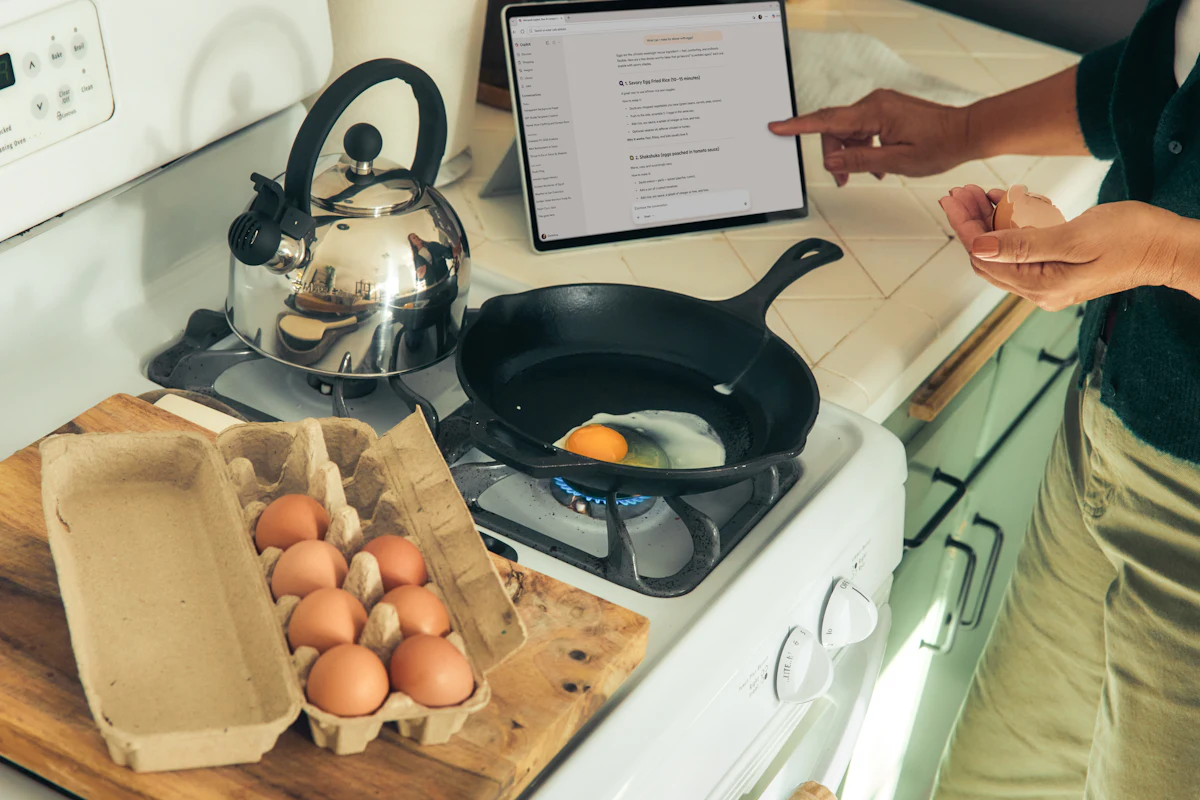
Breakfast needs skilled cooks at the earliest hour of the day, and cooks are hard to keep. The Bureau of Labor Statistics projects about 393,200 openings for cooks each year from 2025 to 2035, mostly to replace workers who change occupations or leave the labor force (BLS Occupational Outlook Handbook). The same source lists a median wage of $17.98 an hour for restaurant cooks and $18.01 for institution and cafeteria cooks in May 2025. For hospital and senior living kitchens, see our guide to the healthcare foodservice labor shortage.
So the question is rarely "can we hire more?" It is "which tasks can the people we have stop doing?"
Step 1: Map the tasks before you reduce breakfast prep labor
For one week, time every pre-service and cleanup task tied to breakfast. Use a simple worksheet like the one below. The minutes are illustrative, not measured; replace them with your own.
| Daily task (100 egg portions) | Scratch eggs, example minutes | Precooked eggs, example minutes |
|---|---|---|
| Crack and pool eggs, discard shells | 25 | 0 |
| Cook scrambled eggs in batches | 30 | 0 |
| Heat precooked eggs | 0 | 15 |
| Scrub egg pans and kettles | 20 | 5 |
| Handwashing and sanitizing after raw egg | 10 | 0 |
| Temperature checks and logs | 10 | 10 |
| Daily minutes total | 95 | 30 |
In this example the difference is 65 minutes a day. At the BLS median of $17.98 an hour, that is about $19.48 a day (65 / 60 x $17.98), or about $584 over a 30-day month, before payroll taxes and benefits. Your numbers will differ; the method is what matters.
Step 2: Remove raw egg steps
Raw shell eggs bring tasks that add time without adding anything a guest can taste: cracking, pooling, separating shells, extra handwashing, and sanitizing every surface the raw egg touched.
They also set a higher cooking target. Under the FDA Food Code, raw eggs that are not cooked to order and will be hot held must reach 155°F for 17 seconds. A precooked egg arrives fully cooked, so the station heats it by the manufacturer's directions and holds it at 135°F or above. Your local code may be stricter.

Step 3: Swap the heaviest tasks for precooked items
Start with the items that take the most minutes on your worksheet:
| Menu item | Scratch steps removed | Precooked swap |
|---|---|---|
| Scrambled eggs, burritos, bowls | Crack, mix, cook, scrub kettle | Precooked scrambled eggs |
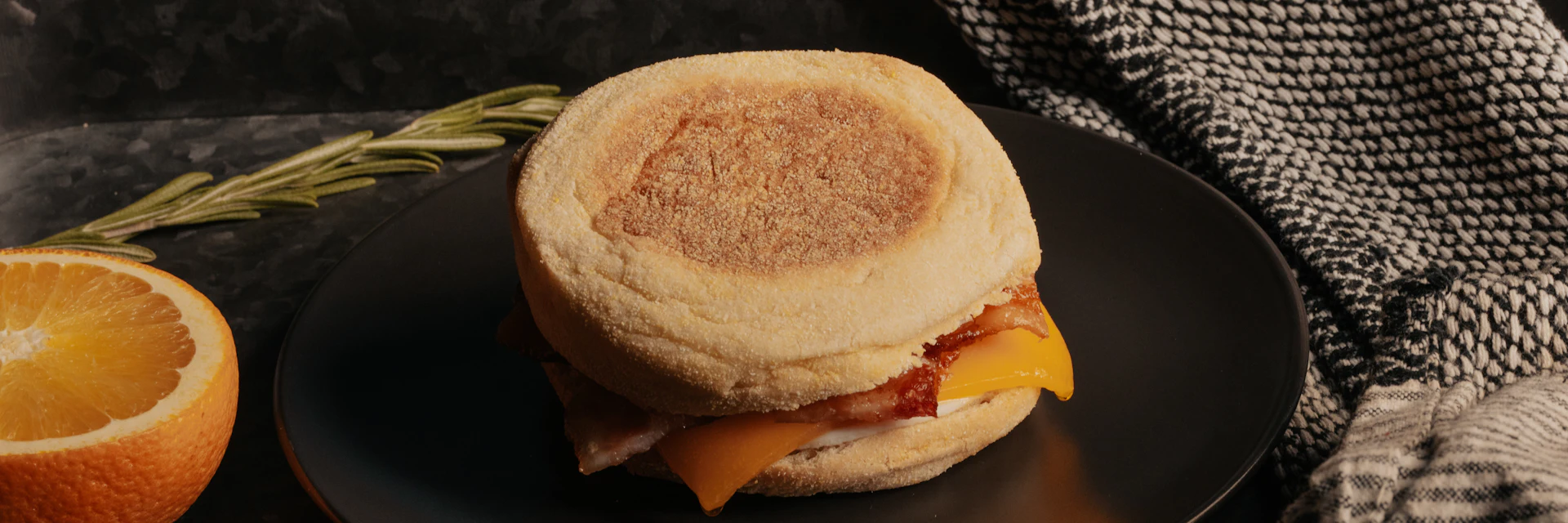
| Breakfast sandwiches | Crack, ring-cook each egg | Egg patties or folded eggs |
| Omelets on a buffet or tray line | Cook each to order | Precooked omelets |
| Salad bar eggs | Boil, cool, peel, dice | Diced eggs |
| French toast, pancakes, waffles | Mix batter, griddle in batches | Heat-and-serve items |
Echo Lake makes each of these: precooked scrambled eggs, scrambled egg patties, folded egg squares, omelets, diced eggs, and French toast, pancakes and waffles, which its product pages describe as labor saving heat and serve items. Heating times are on each item's spec sheet; our guide to reheating frozen egg patties compares ovens, griddles and microwaves.

Step 4: Build the menu on shared components
Every extra component is another prep task. A single bulk egg can carry several dishes: Echo Lake's product page lists burrito and sandwich wrap fillings, pocket sandwich fillings, pizza toppings, fried rice and an entree on its own for its precooked scrambled eggs.
- Pick one egg format for the line and one for sandwiches, at most.
- Reuse the same cheese, meat and carrier across items.
- Drop menu items that sell rarely but need their own prep.
For sandwich-heavy menus, our guide to the breakfast sandwich assembly line lays out a station that one person can run.
Step 5: Stage, batch and hold for short times
Heat in smaller batches timed to your traffic instead of one big batch at opening. Short holds keep eggs moist and cut the waste you pay for twice, in product and in the labor that made it. Stage frozen product in the order it will be used, and thaw only what the procedure calls for. If you are deciding between the two storage formats, see our comparison of frozen vs refrigerated precooked eggs.

Step 6: Write station cards and cross-train
A one-page card per station, with the product, pan, heating method, temperature and portion tool, lets a cashier or dishwasher cover the line on a short day. Precooked items make those cards shorter, because cooking skill moves to the plant and the station only heats and portions.
When precooked is not the answer
Precooked eggs cost more per serving than shell eggs, and the saving only appears when the labor and waste you remove are real. They are not the right fit if:
- your brand promise is eggs cracked to order;
- you already have skilled breakfast staff with time to spare;
- you lack freezer space or the ovens or steamers to heat in volume.
If your chain has made a cage-free commitment, check that every precooked item meets it; our guide to cage free egg products explains what to ask suppliers. When egg prices are the bigger worry, see our guide to controlling egg prices, and for the full trade-off, our comparison of precooked eggs vs shell eggs.

FAQ
What breakfast foods save the most labor?
Items that remove a cooking step entirely: precooked scrambled eggs, egg patties, omelets and heat-and-serve French toast, pancakes and waffles. They replace cracking, mixing, griddling and pan scrubbing with heating and portioning. Pre-cooked meats and pre-cut potatoes save labor in the same way.
Are precooked eggs worth the higher price?
They are when the labor, waste and raw egg handling they remove cost more than the price difference. Time your current tasks for a week, value the minutes at your real wage, and compare that with the extra product cost per serving. High-volume, short-staffed kitchens usually come out ahead.
How long do precooked eggs take to heat?
It depends on the product, the portion and the equipment. Patties heat faster than a bulk pan of scrambled eggs, and a combi oven differs from a griddle. Use the heating directions on each spec sheet, then test on your own equipment before you write the station card.
Do precooked eggs taste as good as fresh eggs?
Well-made precooked eggs heated correctly are close to fresh for most guests, especially in sandwiches, burritos and bowls. They lose most often when they are overheated or held too long. A side-by-side tasting with your team is the fastest way to decide.
Can a small kitchen use precooked eggs?
Yes, if it has freezer space and a way to heat them, such as an oven, steamer or griddle. Small kitchens often gain the most, because one person may cover prep, cooking and dish. Start with one item, such as egg patties for sandwiches, and expand if it works.
Next step
Start with the item that takes your team the longest: compare Echo Lake precooked scrambled eggs and egg patties, see solutions by segment, or request samples from Echo Lake Foods.