Quick answer
What is the best way to reheat precooked scrambled eggs in bulk?
Use moist heat: a combi oven in steam or combination mode, a compartment steamer, or covered shallow pans in a convection oven, following the package directions. Heat until the center of each pan reaches at least 135°F, within two hours, then move the eggs to a preheated steam table to hold.
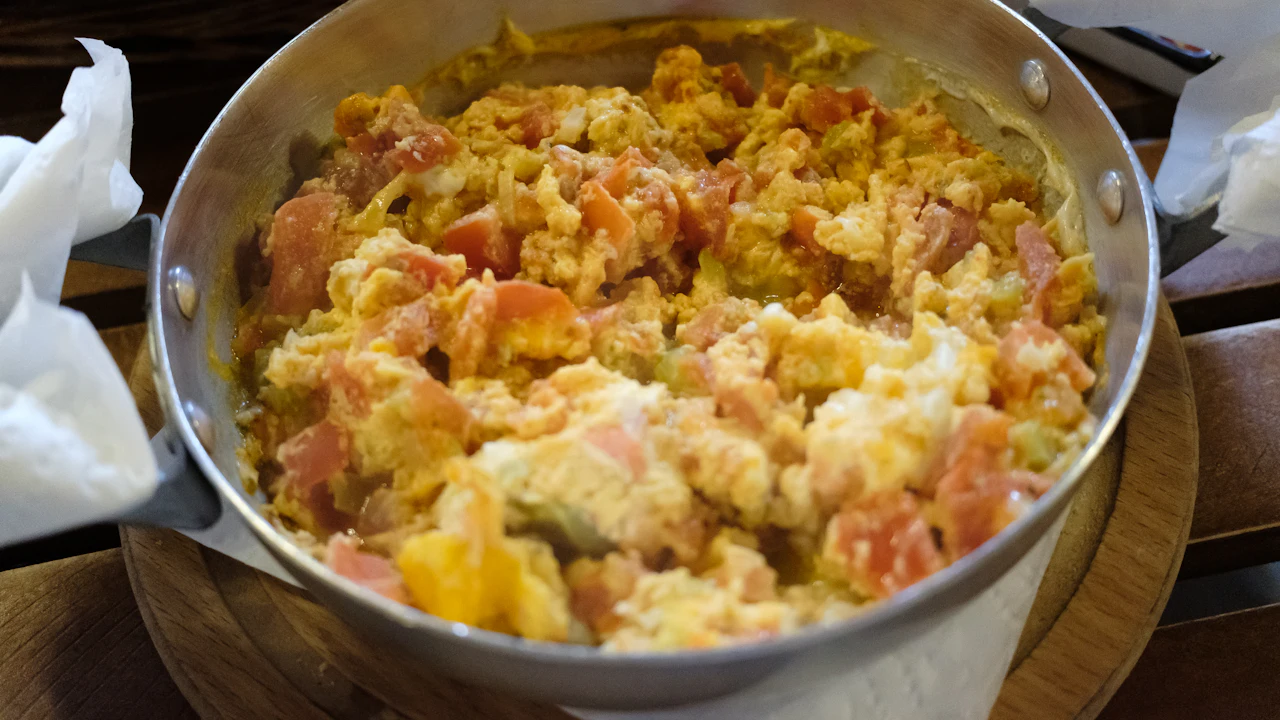
To reheat precooked scrambled eggs well, think of the job as warming, not cooking. The eggs are already set; every extra minute of dry heat tightens the curds and squeezes out water. This guide compares the equipment, walks through a pan routine and shows how to hold the result without drying it out. Every handling step is in our precooked egg handling guide.
Reheat precooked scrambled eggs: equipment compared
| Equipment | Best for | Pan setup | Watch out for |
|---|---|---|---|
| Combi oven, steam or combination mode | Large batches, several pans at once | Solid shallow hotel pans | Too long in dry heat at the end |
| Compartment steamer | Fast, gentle heating | Solid 2 inch pans | Condensed water pooling in pans |
| Convection oven | Kitchens without steam equipment | Shallow pans, covered tightly with foil or lids | Dry edges if uncovered |
| Tilt skillet or griddle | Small batches to order | Light film of oil, stir gently | Broken curds, browning |
| Microwave | Single portions | Covered dish, stir halfway | Uneven hot spots |
| Steam table | Holding only | Preheated wells with water | Not for reheating |
Moist heat wins for bulk eggs because it warms the curds without drying the surface. If you only have a convection oven, tight covers do the same job by trapping the eggs' steam.
Before you start: frozen or thawed
Check the package directions first. Bulk scrambled eggs in bags usually heat more evenly once thawed in the cooler, while some products are made to go from frozen. A frozen block in a pan heats from the outside in, so the edges overcook while the center is still cold.
If you thaw, plan a day ahead; our guide to thaw frozen precooked eggs has a pull schedule. How long product keeps before and after thawing is in frozen precooked eggs shelf life.
The pan routine
- Choose shallow pans. Use 2 to 2.5 inch deep hotel pans so heat reaches the center quickly.
- Grease lightly. A light release spray or film of oil stops sticking at the edges.
- Spread evenly. Break up any clumps and level the eggs to an even depth in each pan.
- Add only what the directions call for. Do not add water or milk unless the manufacturer says to; extra liquid turns eggs watery.
- Cover for dry heat. In a convection oven, cover tightly with foil or a lid. In steam mode, follow the directions on covering.
- Heat in waves. Load only the pans you need for the next part of service.
- Stir once, gently, partway through, folding the edges toward the center.
- Probe the center of the pan, the last spot to heat.
Keep a time card for each item code and piece of equipment once you have tested it, because curd size and pan depth change heating time.
Combi oven method
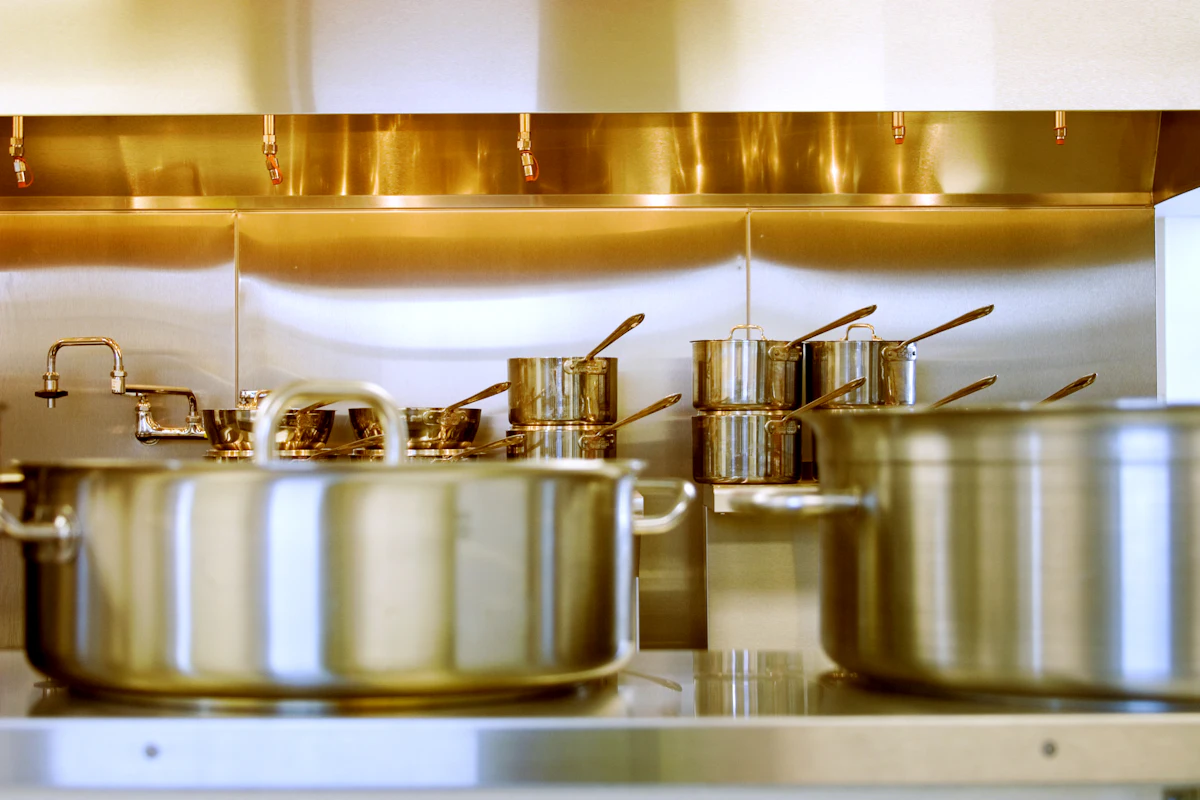
Combination or steam mode is the most forgiving way to reheat bulk eggs. Load solid pans on evenly spaced racks, set the mode and temperature the package directions give, and use the core probe if your oven has one.
Avoid finishing in dry convection mode to "firm up" eggs; it dries the surface and toughens curds.
Steamer method
A compartment steamer heats eggs quickly and gently. Use solid pans so the eggs do not sit in condensed water, and drain any liquid that collects before you move the pans to holding.
Steamers suit kitchens that send eggs out in many small batches, such as hospital tray lines and hotel buffets with long service windows.
Convection oven method
Without steam, tight covers matter most. Seal pans with foil or lids, use the setting on the package and keep the fan on low if your oven allows it. Check early the first time, and stir once so the edges do not overcook while the center warms.

Temperature and food safety
Precooked scrambled eggs from an inspected plant are ready-to-eat food. Under the FDA Food Code, commercially processed ready-to-eat food reheated for hot holding must reach at least 135°F, and reheating should take no more than two hours. Many operators use 165°F as a house standard.
Then hold at the hot holding temperature for eggs, 135°F or above. Do not use the steam table to reheat: Alaska's food safety program states it in its standard operating procedure, which says do not use steam table or other hot holding equipment to reheat.
Holding on the steam table
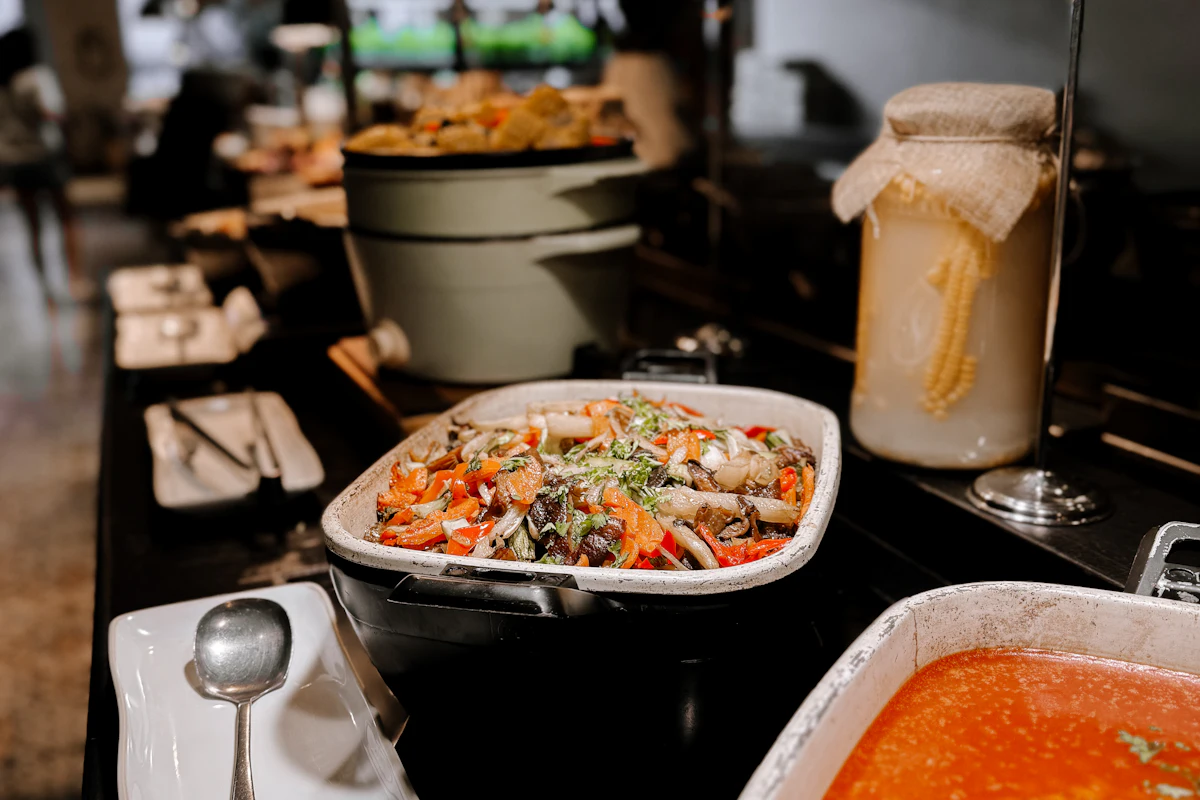
Preheat the wells with water before the eggs arrive, and keep them topped up. Hold in shallow pans, stir gently from time to time and probe the center.
Long holding at high heat is the main cause of green or gray eggs and a rubbery bite. Our guide to scrambled eggs turning green explains the chemistry and the fixes. Batch to the line: smaller pans replaced often look and taste better than one big pan held all morning.
Plan pans per case
These figures are illustrative: a 20 lb case, a 3 oz portion and pans loaded with 5 lb each.
| Step | Illustrative figure | Arithmetic |
|---|---|---|
| Ounces per case | 320 oz | 20 lb x 16 |
| Portions per case at 3 oz | 106 | 320 / 3, rounded down |
| Pans per case at 5 lb each | 4 | 20 lb / 5 lb |
| Portions per pan | 26 | 80 oz / 3, rounded down |
Weigh your own portions and pan loads before relying on these numbers. Schools have their own serving sizes and crediting; see precooked scrambled eggs for schools for the school line.
Troubleshooting
- Dry, tough eggs. Too long, too hot or uncovered; cover pans and heat smaller batches.
- Watery eggs. Added liquid, steamer condensation or eggs thawed in a warm spot; drain and stop adding liquid.
- Cold center. Pans too deep, eggs still frozen in the middle, or the oven was not preheated.
- Green or gray color. Held too long or too hot; replace pans more often.
FAQ
Can you reheat precooked scrambled eggs in a steam table?
No. Steam tables are made to hold hot food, not to heat cold or frozen food quickly. Reheat the eggs in a combi oven, steamer or covered pans in a convection oven until the center reaches at least 135°F, then move the pans to a preheated steam table.
Do you add water when reheating scrambled eggs?
Only if the package directions say to. Most precooked scrambled eggs already contain the moisture they need, and extra water or milk makes them watery. Use moist heat or tight covers instead, which keep the eggs' own moisture in the pan while they warm through.
How do you heat frozen scrambled eggs in bulk?
Follow the directions for the item code. Many bulk products heat more evenly when thawed in the cooler first, then spread in shallow pans and heated in a combi oven or steamer. Heating a frozen block risks dry edges and a cold center, so stir gently and probe the middle.
What temperature should reheated scrambled eggs reach?
Commercially processed precooked scrambled eggs reheated for hot holding must reach at least 135°F under the FDA Food Code, within two hours. Many kitchens use 165°F as a house standard. Eggs you cooked, cooled and stored yourself must reach 165°F for 15 seconds.
How do you keep reheated scrambled eggs from drying out?
Use moist heat or tight covers, shallow pans and small batches. Stop heating once the center reaches temperature, and do not finish in dry heat. On the steam table, keep water in the wells, stir gently and replace pans often rather than holding one pan for the whole service.
Next step
Echo Lake's precooked scrambled eggs come in larger and smaller natural curds (MF 3015CN, MF 3015DCCN), garlic flavored, cholesterol and fat free, low fat and white styles, in 20 lb bulk packs or 20 lb cases of 4 to 5 lb bags (MF 3027). For heating directions on a specific item code, ask Echo Lake Foods for the spec sheet.