Quick answer
What are breaker eggs?
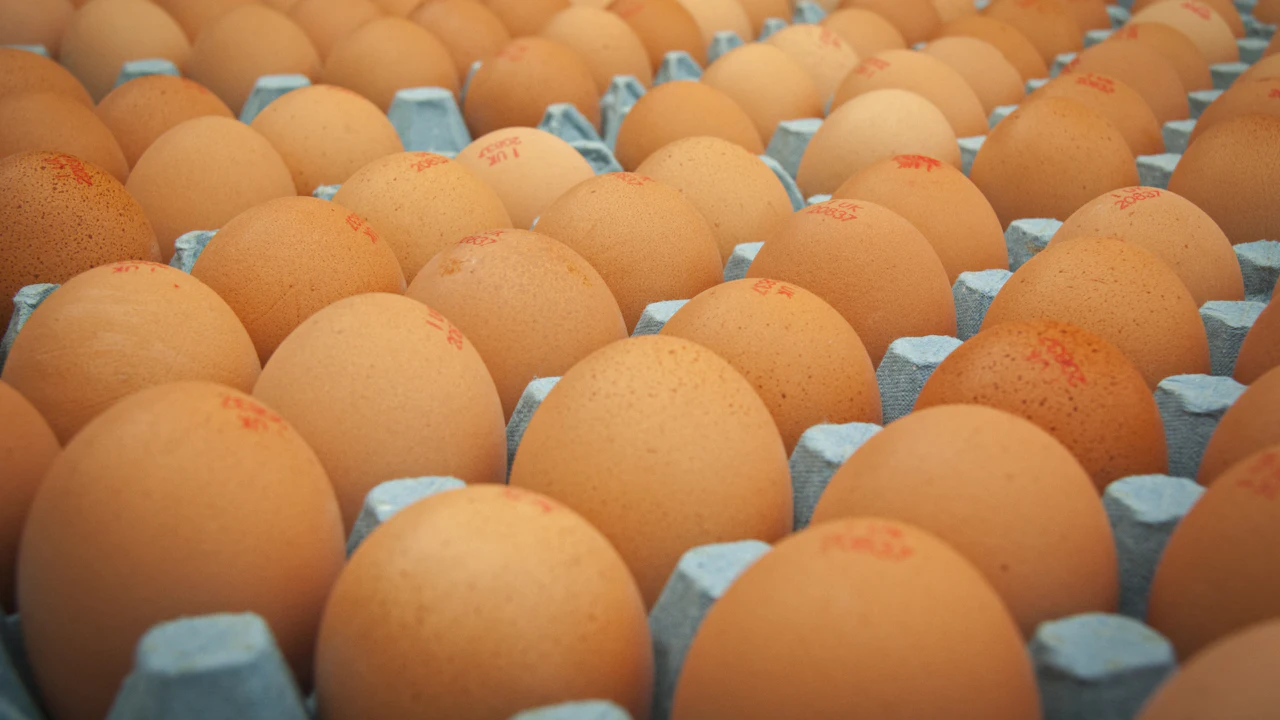
Breaker eggs, also called breaking stock, are shell eggs sold to plants that break them out of the shell to make liquid, frozen and dried egg products. They include surplus eggs, nest run eggs and undergrades such as clean checks. Breakers must use eggs of edible interior quality, and the market prices them separately from cartoned eggs.
Breaker eggs are the raw material behind every carton of liquid egg and every precooked patty made from it. Foodservice and manufacturing buyers rarely buy them directly, yet their market sets part of the cost and availability of the egg products they do buy. This guide explains what breaker eggs are, where they come from, which eggs the rules allow, why their price moves so sharply and what that means for buyers of liquid and precooked egg.

What breaker eggs are
A breaking plant, often called a breaker, is an official USDA plant that cracks shell eggs, separates or blends the contents, and pasteurizes them into egg products. The shell eggs it buys are breaker eggs or breaking stock. They never reach a carton. For the products that come out the other end (liquid whole egg, whites, yolks, frozen and dried forms), see what are egg products.
In its October 30, 2026 Egg Markets Overview, USDA's Agricultural Marketing Service reported that eggs processed in the prior week were 32.9 percent of weekly table egg production, and that cage-free stock made up 41 percent of eggs processed.
Our guide to the USDA Chickens and Eggs report shows the monthly production figures behind that share.
Where breaking stock comes from
Breaker eggs reach a plant through several routes:
| Source | What it is | Why it goes to breaking |
|---|---|---|
| In-line production | Eggs from farms attached to a breaking plant | Produced to be broken |
| Contracted breaking stock | Eggs bought on a set schedule from layer farms | Committed supply for the plant |
| Surplus shell eggs | Graded or ungraded eggs the shell market does not need | Better return than discounting cartons |
| Nest run eggs | Eggs as gathered, not sorted for quality | Cheaper to break than to grade |
| Undergrades | Clean checks, small or odd eggs, stained shells | Cannot be sold in cartons at grade |
| Diverted eggs | Eggs from flocks under FDA Salmonella diversion | Must be pasteurized as egg products |
AMS defines a nest run grade, "U.S. Nest Run __% AA Quality", for eggs of current production of which at least 20 percent are AA quality, with the actual percentage stated. Diverted eggs come from the FDA shell egg rule, explained in our post on the FDA egg safety rule.

Which eggs a breaker may use
Federal egg products rules set what can go into the breaking room. Eggs presented for breaking must have edible interior quality and sound shells free of adhering dirt and foreign material (9 CFR 590.510, classifications of shell eggs used in egg products). Within that rule:
- Checks (cracked shell, membranes intact) may be used when the shell is clean and the membranes are not ruptured.
- Eggs damaged in candling or transfer may be used only if the yolk is unbroken and the contents are not running over the shell, and they must be broken promptly.
- Eggs with meat or blood spots may be used if the spots are removed.
- Dirty eggs must be cleaned before breaking, and the shells must be dry enough not to contaminate the liquid.
- Loss and inedible eggs go to a designated container, never into product, and incubator rejects may not enter the plant at all.
- Eggs from other species (duck, turkey, guinea and goose) are sorted separately.
Restricted eggs can move only to a breaker
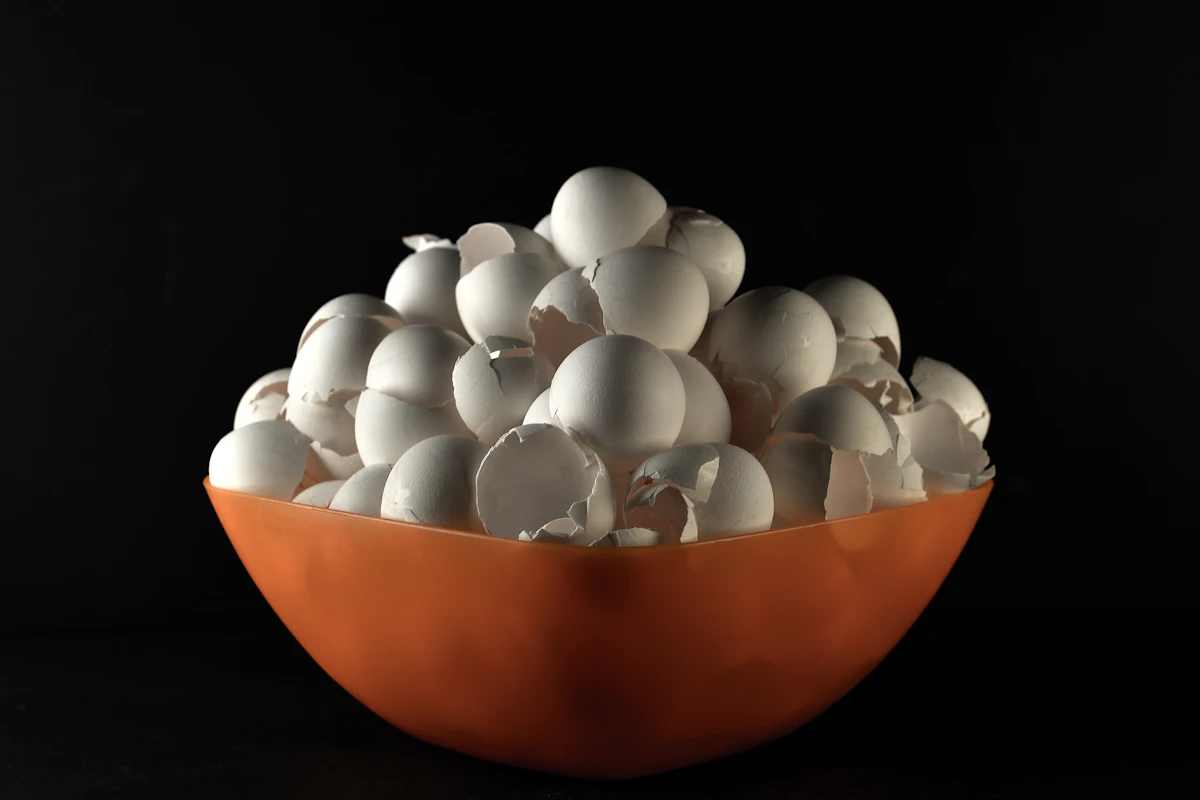
Under 7 CFR Part 57, checks, dirties, leakers, loss, inedible eggs and incubator rejects are restricted eggs. Checks and dirties may be shipped to an official egg products plant for processing, in containers marked "Restricted Eggs-For Processing Only In An Official USDA Egg Products Processing Plant." Loss and inedible eggs must be destroyed or denatured for non-food use.
That is why a foodservice kitchen should never buy cracked eggs at a discount. The same rules let restaurants and bakeries use eggs only if they contain no more restricted eggs than U.S. Consumer Grade B allows. Cracked eggs belong at a breaker, where they are pasteurized.
Why breaker egg prices swing more than carton prices
On the October 30, 2026 AMS report, the national price for breaking stock was $0.08 per dozen, against $0.35 for loose white Large shell eggs. Our guide to egg prices for restaurants reads the rest of that report. The gap changes fast, for four reasons:
- Breaking stock is the overflow market. Eggs that shell buyers do not need flow to breakers, so a small surplus or shortage in shell eggs lands hard on breaking stock.
- Less built-in cost. A carton price includes grading, packing and delivery that change little week to week. Breaking stock carries less of that, so the same move in egg value is a larger percentage change.
- Frozen inventory competes with fresh eggs. When breakers and their customers hold frozen egg product, they can buy less breaking stock, and when stocks run down, they all buy at once.
- Outbreaks hit breakers twice. HPAI removes layers, and the shell market then keeps more of the remaining eggs. Our guide to bird flu and egg supply explains the sequence. Most egg imports also go to breakers when breaking stock is short.
What breaker eggs mean for liquid and precooked egg buyers
You buy egg products, not breaking stock, but the breaker market reaches you:
- Know the price basis. Ask whether your liquid or frozen egg price follows a breaking stock or egg products quote, a shell egg quote, or a fixed price, and how often it resets.
- Separate egg cost from conversion cost. In precooked items, egg cost is one line next to cooking, packaging and freight, so breaker swings move the total less.
- Watch your cage-free share. With 41 percent of eggs processed being cage-free in late October 2026, cage-free egg products depend on that stream; see cage free egg products.
- Use frozen product as a buffer. Frozen liquid and precooked eggs let you hold weeks of supply when breaking stock tightens.
- Ask about plant sourcing. Does the supplier break its own eggs, buy contracted stock, or rely on the spot market?
Where Echo Lake Foods fits
Echo Lake Foods installed egg breaking and pasteurization capabilities in 1964, and its precooked egg products are made from a blend of quality USDA inspected, pasteurized eggs. Today it sells heat and serve items such as precooked scrambled eggs and diced eggs. For specs and supply questions, contact Echo Lake Foods.
FAQ
Are breaker eggs safe to eat?
Breaker eggs are not sold to eat as shell eggs. They are broken in USDA inspected plants, sorted for edible quality and pasteurized into egg products, which must be safe without further cooking. Loss and inedible eggs are kept out of product under the federal egg products rules.
What is the difference between breaker eggs and table eggs?
Table eggs are graded and packed in cartons or cases for sale in the shell. Breaker eggs go to a breaking plant to become liquid, frozen or dried egg products. The same farm can supply both; surplus and undergrade eggs often move from the table market to breakers.
Can cracked eggs be used in a restaurant?
No. Cracked eggs with intact membranes are checks, which are restricted eggs under 7 CFR Part 57. They may be shipped only to an official egg products plant for breaking and pasteurizing. Restaurants may use eggs only within the Grade B tolerance for restricted eggs.
Why are liquid egg prices sometimes lower than shell egg prices?
Liquid egg is made from breaking stock, which often trades below cartoned eggs because it includes surplus and undergrade eggs and carries no grading or carton packing cost. When shell eggs are short, the gap can close fast, so compare per pound of usable egg.
Next step
See how outbreaks reach supply in bird flu and egg supply, compare formats in what are egg products, or contact Echo Lake Foods about precooked eggs made from pasteurized egg.