

Quick answer
What does USDA inspected mean on egg products?
It means the liquid, frozen or dried egg was processed in an official plant under continuous inspection by USDA's Food Safety and Inspection Service, under the Egg Products Inspection Act. The label carries the USDA inspection mark with the plant number, and the product is pasteurized so it is safe without further cooking.
USDA inspected egg products are the liquid, frozen and dried eggs that most kitchens and food plants buy instead of cracking shell eggs. For a buyer, the inspection mark is a quick check that the product came from an approved source. This post explains what the mark covers, what it does not cover, and which documents to ask for when the item is a precooked egg rather than a carton of liquid egg. For every egg format side by side, see our guide to egg products for foodservice.
What counts as an egg product
Federal rules define an egg product as any dried, frozen or liquid eggs, with or without added ingredients. Liquid whole egg, egg whites, yolks, frozen whole egg with citric acid and dried egg powder all qualify.
Shell eggs are not egg products. They follow different rules: FDA oversees shell egg safety on the farm and in transport, and USDA's Agricultural Marketing Service runs a voluntary grading program (the AA, A and B shield). For the bigger picture, see what egg products are and the main types.

The Egg Products Inspection Act and FSIS
Congress passed the Egg Products Inspection Act in 1970. USDA's Food Safety and Inspection Service (FSIS) carries it out, and FSIS advises buyers to purchase only egg products that bear the USDA inspection mark (FSIS egg products and food safety).
The rules sit in 9 CFR Part 590 (eCFR, 9 CFR Part 590). Three points matter most to buyers:
- Continuous inspection. No plant may process egg products without continuous inspection, unless a specific exemption applies.
- Pasteurization. Pasteurized egg products must be produced to be edible without further preparation to achieve food safety. They do not need a "cook before eating" instruction.
- HACCP. A 2020 update to the rules brought egg products plants under HACCP and sanitation procedures, like meat and poultry plants.

The USDA egg inspection mark, explained
The inspection mark is a shield with the letters USDA, printed on the principal display panel of the container. It shows the number of the official plant where the product was inspected. The plant number can appear inside the mark or, on the main panel, as the letter "G" followed by the number.
| Label element | What it tells you | What to do with it |
|---|---|---|
| USDA shield | Product came from an official plant under inspection | Reject liquid, frozen or dried egg without it |
| Plant number | The exact plant that made the product | Record it for recalls and audits |
| Keep Frozen / Keep Refrigerated | Handling the product needs to stay wholesome | Store it that way on receipt |
| Lot code or pack date | The batch you received | Log it with the delivery |
Frozen egg products thawed for retail display must say "Keep Frozen" on the shipping container, and refrigerated products carry "Keep Refrigerated" or similar wording.

What the mark on USDA inspected egg products does not cover
The inspection mark is a food safety and wholesomeness mark. It is not a grade, a cage-free claim, an organic claim or a nutrition claim. If those matter to you, they need their own documents; see what cage-free means for egg products and organic egg products.
Precooked eggs are a special case
The same federal definition exempts several foods from being "egg products," even though they are made from eggs. The exempt list includes cooked egg products, imitation egg products, French toast, and sandwiches containing eggs, provided they are made from inspected egg products or from eggs that meet the Grade B limit on restricted eggs.
In practice, that means a precooked egg patty, omelet or scrambled egg is usually not inspected as an egg product and may not carry the egg products mark. Food made outside the egg products program falls under FDA's food safety rules instead. The ingredient that matters is the egg that went in: ask the supplier whether it was USDA inspected, pasteurized egg.
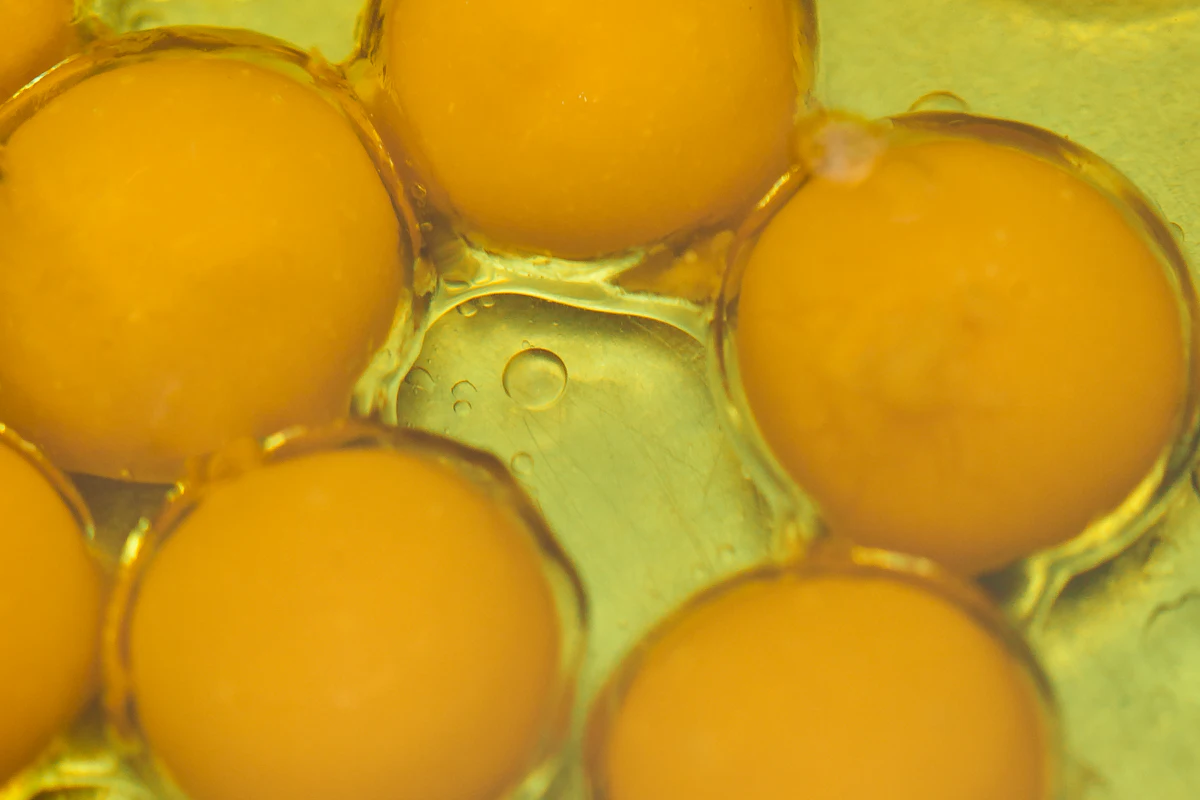
How Echo Lake Foods describes its eggs
Echo Lake's quality page states that all precooked egg products are made from a blend of quality USDA inspected, pasteurized eggs. The company installed egg breaking and pasteurization capabilities in 1964, and when USDA inspection for liquid egg processing was established, Echo Lake became one of the few major processors in the Midwest to meet it. Specifications are available on request. See the quality and safety page for the full statement.
Documents to request for egg items
Use this list for every item code, whatever the format.
- A dated spec sheet with the ingredient statement and allergens.
- For liquid, frozen or dried egg: a label showing the USDA inspection mark and plant number.
- For precooked egg items: a statement that the egg ingredient is USDA inspected and pasteurized, and the name and address of the plant that makes the finished item.
- Storage and handling instructions (frozen or refrigerated temperature, thawed life).
- Recall contact and lot code format.
- A promise to notify you before a change in egg source, formula or plant.
A complete file helps you compare suppliers and price formats fairly; our guide to calculating egg cost per serving shows the next step.
Receiving and storage checks
Inspection at the plant does not protect a product that is mishandled after it leaves. At the receiving door:
- Check the mark and plant number on egg products against the spec sheet.
- Reject frozen egg that arrives thawed or shows signs of refreezing.
- Reject refrigerated liquid egg above the temperature on the label.
- Keep opened cartons covered and used by the date your procedures set.
Pasteurized egg products are also the simple answer when the Food Code limits raw eggs, such as in hollandaise or for hospital and senior care menus; see when restaurants need pasteurized eggs.

FAQ
Are all egg products USDA inspected?
Liquid, frozen and dried egg products sold in the U.S. must be processed under FSIS inspection, unless an exemption applies. Exempt items include cooked egg products, French toast and egg sandwiches, which must be made from inspected egg products or eligible eggs.
What does the USDA inspection mark on eggs look like?
It is a shield containing the letters USDA, printed on the main panel of the container with the official plant number. The plant number may also appear as the letter "G" followed by the number on the principal display panel.
Do precooked eggs carry the USDA egg inspection mark?
Usually not, because cooked egg products are exempt from the egg products definition. Ask the supplier to confirm in writing that the eggs used were USDA inspected and pasteurized, and to name the plant that made the finished item.
Are USDA inspected egg products pasteurized?
Yes. Egg products processed under inspection are pasteurized, and the rules require pasteurized egg products to be safe to eat without further cooking. That is why the Food Code accepts them where raw shell eggs are restricted.
Is USDA inspected the same as USDA Grade A?
No. The inspection mark on egg products is mandatory and covers food safety. Grade A is a voluntary quality grade for shell eggs, run by USDA's Agricultural Marketing Service. Our guide to USDA egg grades explains AA, A and B.
Next step
Ask for the documents above with your next quote, and request specifications from Echo Lake Foods for the precooked egg products you are comparing. For format choices, read precooked eggs vs shell eggs.